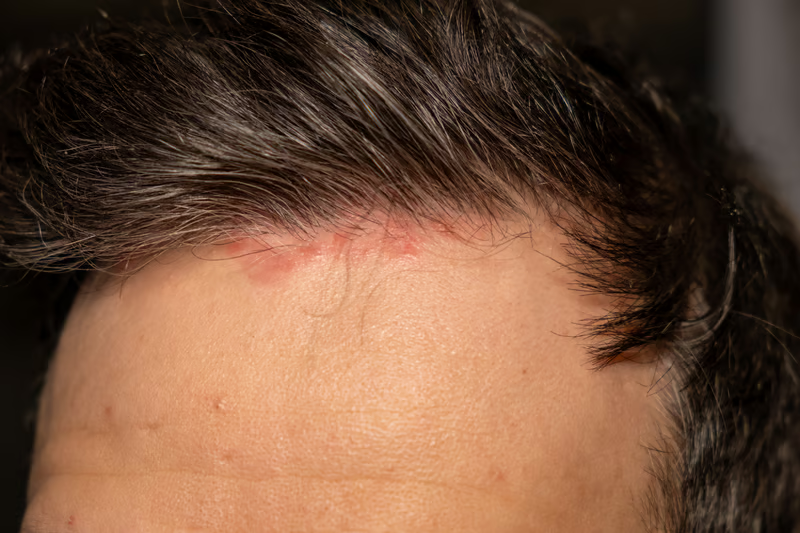
Small, sore bumps along the hairline, across the scalp, or at the back of the neck are among the more frustrating summer skin problems, largely because people treat them for months without improvement.
The usual reason is straightforward. Several different conditions produce near-identical bumps, and the treatment for one makes another worse.
At Dr Refresh, recurring folliculitis is diagnosed before it is treated. Where hair itself is driving the problem, particularly at a shaved or close-cropped neckline, laser hair removal is one approach used to reduce recurrence, and where keloidal scarring has already developed, acne scar treatment may be discussed. Suitability is assessed individually.
Why Summer Makes It Worse
Folliculitis is inflammation of the hair follicle, and the conditions that drive it all peak in the Australian summer.
Sweat and humidity create a warm, moist environment at the skin surface. Hats, helmets and caps trap that moisture against the scalp. Swimming pools and spas introduce a specific bacterial cause. Shaving and clipping create micro-trauma at exactly the sites most prone to it.
Sweating is a recurring factor, and Dr Ritu has discussed how sweat behaves on the skin on ABC Radio Darwin.
The Types, and Why They Get Confused
This is where most self-treatment can go wrong.
- Bacterial folliculitis. The most familiar type, usually caused by staphylococcal bacteria. Responds to antibacterial treatment.
- Malassezia folliculitis. Caused by yeast rather than bacteria. It produces uniform, itchy bumps that look very much like acne, and it is commonly misdiagnosed as acne for long periods. It does not respond to antibiotics, and oral or topical antibiotic treatment can make it worse by further reducing the bacteria that normally keep the yeast in check. This is a common reason people find their “scalp acne” deteriorates on treatment that should have helped. It is more common in hot, humid conditions and under occlusion.
- Pseudomonas folliculitis. Follows spa, hot tub or poorly maintained pool exposure, typically appearing a day or two afterwards. Often settles on its own.
- Tinea capitis. A fungal infection of the scalp, more common in children than adults. It can produce scaling, broken hairs and patchy hair loss, and occasionally a boggy, inflamed swelling called a kerion. It requires oral antifungal treatment rather than topical, and it can scar permanently if left, which is why scalp changes in a child are worth having looked at rather than waiting out.
- Acne keloidalis nuchae. Firm bumps at the nape that can progress to keloidal scarring and permanent hair loss in the area. Most common in men with tightly curled hair who shave or clip the neckline closely. This one needs early attention, because the scarring is permanent.
- The practical point: if bumps on your scalp have not responded to several months of acne treatment, the likeliest explanation is that they are not acne.
Dr Ritu has discussed acne diagnosis on ABC Radio and ABC 702, where a recurring theme is how much of a modern consultation is spent correcting assumptions picked up online.
What Helps
- Diagnosis first. A swab or skin scraping can distinguish bacterial from fungal causes, which determines everything else. Treating the wrong one is the single most common reason folliculitis persists.
- Reducing the triggers. Washing the scalp after sweating rather than hours later, avoiding prolonged occlusion under caps and helmets, and letting the scalp dry properly all reduce recurrence.
- Treating the cause. Depending on type, this may involve antibacterial or antifungal treatment, topical or oral. These are prescription decisions made after examination rather than products to select yourself.
- Addressing the hair when hair is the trigger. Where recurrence is driven by shaving or close clipping, particularly at the neckline, reducing hair growth in the affected area is one of the approaches used to break the cycle. Laser hair removal carries risks including redness, swelling, blistering and pigment change. Device and wavelength selection matters particularly here, because this condition most often affects deeply pigmented skin where the wrong settings can worsen rather than help. Suitability is assessed individually and it is not appropriate for everyone.
- Managing scarring where it has occurred. Keloidal scarring at the nape is difficult to treat once established, which is why early assessment matters more than it appears to. Our guide to acne scar treatment covers the general principles.
- Where skin is broken, signs of infection warrant prompt assessment.
Frequently Asked Questions
Why does my scalp acne not respond to acne treatment?
Because it may not be acne. Malassezia folliculitis is fungal, looks very similar, and does not improve with antibiotic treatment. This is a common reason for months of unsuccessful treatment.
Should I stop shaving my head?
Not necessarily, and that is a decision to make with a doctor. Technique, frequency and equipment often matter as much as whether you shave at all.
Will it leave scars?
Most folliculitis resolves without scarring. Acne keloidalis nuchae and deeper or repeatedly inflamed lesions can scar, which is the argument for treating it properly rather than waiting it out.
My child has scaly patches and broken hairs on their scalp. What is that?
Scaling with broken hairs and patchy hair loss in a child can indicate tinea capitis, a fungal infection that needs oral treatment and can scar if left. It is worth having assessed rather than treated at home.
Find Out Which Type You Have
Folliculitis that keeps returning is usually a diagnostic problem rather than a treatment-resistant one. Establishing which type you have is what changes the outcome.
If bumps on your scalp or neckline keep coming back, or have not responded to what you have tried, Dr Ritu and her clinically trained team can assess what is actually causing them. Please make an enquiry online, WhatsApp us at 0493 766 096, or call (02) 8014 6505.