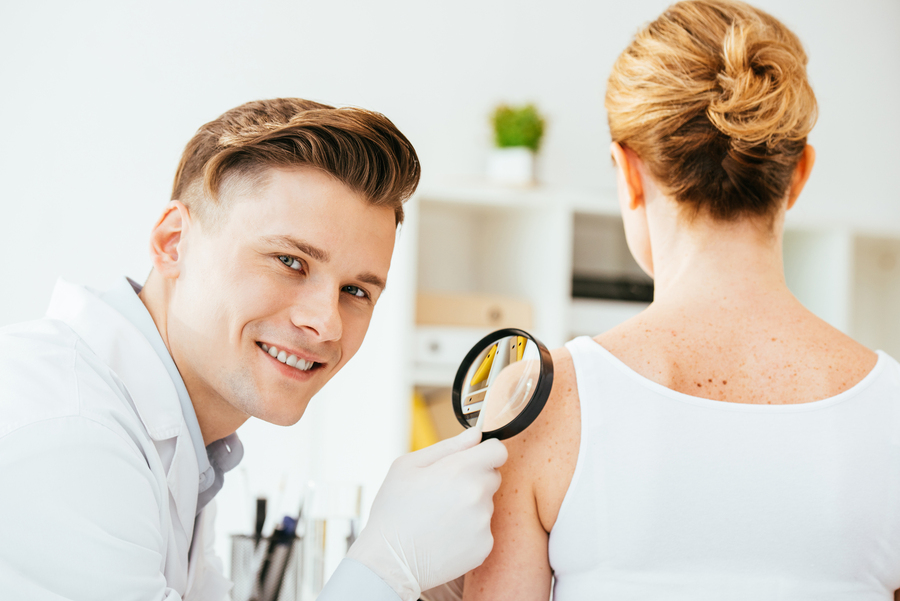
The skin is the body’s first line of defence, protecting us from microorganisms that can cause illness, pollution, and the harsh environment. If the skin barrier is broken by a scratch, insect bite, or popped pimple, opportunistic bacteria and fungi may enter, leading to infections.
It’s indeed worrying if that little redness or slight pain is normal in a healing wound. Is it an early sign of infection? Should you have it checked? A million little questions can come to mind, but the best approach is to understand how skin infections develop, recognise the possible symptoms, and know when it’s time to have it checked by a professional.
Red Flags: 5 Signs Your Skin is Infected
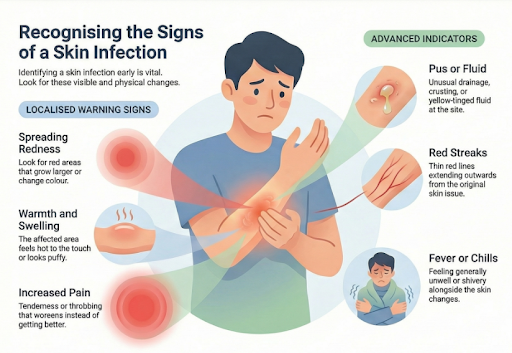
Generally, the skin is infected if you notice the following signs and symptoms:
1. Expanding Redness (Erythema)
A wound may initially appear reddish, indicating healing, but if redness spreads outward from the site within a matter of hours, it could be a sign of infection.
2. Radiating Heat
A warm feeling over the wound is another normal sign of healing. But when the area feels noticeably hotter to the touch than the surrounding skin, this could signal an infection.
3. Swelling & Pain
A little pain is normal, especially during the first hours after the injury. Suspect a skin infection when the area becomes tight, swollen, or very tender or throbbing. Another clue to infection is if a wound is becoming more painful, more red, or more swollen rather than improving with time.
4. Pus or Weeping
The presence of a yellow or green cloudy fluid coming from the wound is an advanced indicator of a skin infection. It’s important to have your wound assessed by a professional right away [1].
5. Fever/Chills
Fever and chills are systemic responses that an infection is spreading. A fever that’s 38℃ or higher, accompanied by chills, requires immediate medical attention [2].
The Most Common Skin Infections in Australia
Bacterial Infections
Source [13]
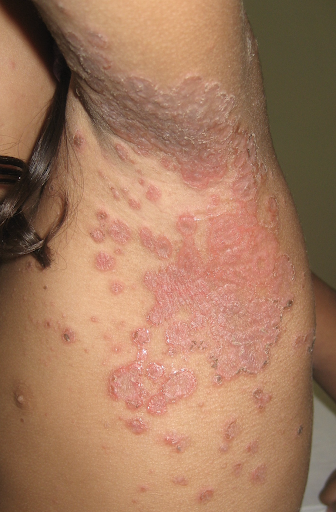
Skin infections can be due to bacteria (Staphylococcal or Streptococcal) invading the skin or affecting an already compromised skin barrier. It is very common among children under 5 years old and adults over 65 years old.
Various bacteria cause skin infections; here are the two most common [3]:
Staphylococcus aureus
Staph aureus is a bacterium commonly found on people’s skin. It does not cause any harm, but can sometimes lead to infections such as cellulitis, a deep skin infection that could become serious if not treated immediately. This bacterium also causes impetigo or school sores, and ecthyma, a deeper form of impetigo [4].
Streptococcus pyogenes
This bacterium colonises the pharynx, anus, and genital mucosa and is transmitted through contaminated surfaces and skin-to-skin contact [5]. Streptococci cause cellulitis, impetigo, necrotising fasciitis, which is a serious infection of the soft tissues and fascia [6], and infectious gangrene.
Fungal Infections
Most parts of Australia experience warm to mild winters and hot, humid, and rainy summer months [7]. This increased humidity is the perfect breeding ground for fungal infections such as tinea (ringworm, athlete’s foot) and various yeast infections along the skin folds.
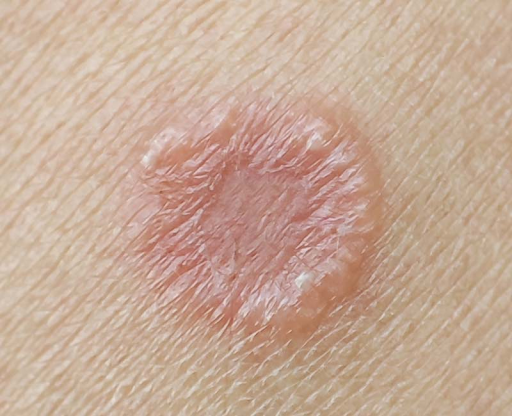
Tinea
Source [14]
Ringworm is a fungal infection that causes a rash. It is an itchy, circular rash that has clear skin in the middle. Ringworm spreads via direct skin contact and responds well to topical antifungal medications [8].
Yeast Infections
Source [15]
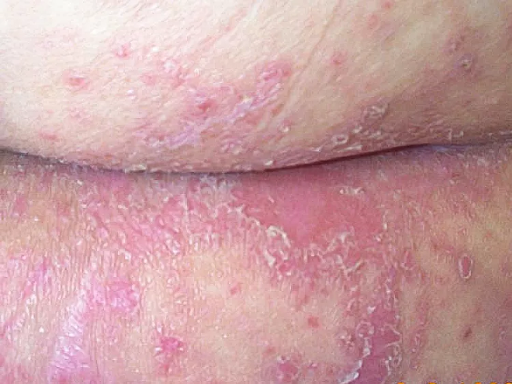
Candidiasis is a yeast infection caused by the overgrowth of Candida albicans, which naturally lives in small numbers on the skin. Imbalances such as stress, medical conditions, unhealthy eating habits, and a weak immune system can trigger overgrowth of this fungus, affecting the skin, mouth, and vagina [9].
Viral Infections
Viruses are also responsible for mild to moderate forms of skin infections.
Herpes Simplex Virus (HSV)
Source [16]
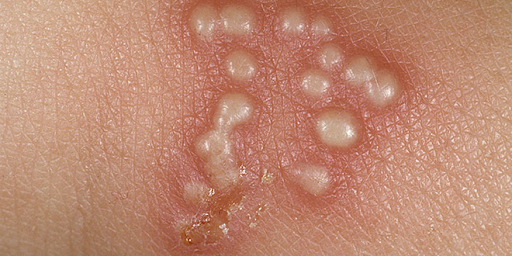
HSV causes oral and genital herpes and other infections in various areas of the body. Symptoms include fluid-filled blisters, tingling of the affected skin, itching and burning. You can get HSV by direct contact with someone who has the infection, even when there are no visible sores present [10].
Viral Warts
Source [17]
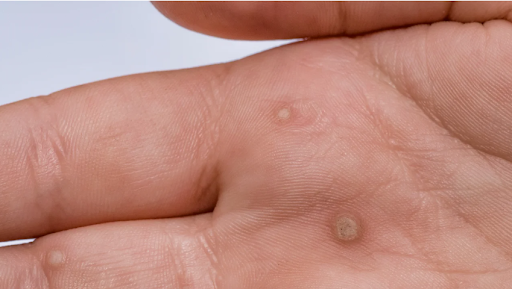
Viral warts are viral infections of the skin, most commonly found on the hands and feet. These are small bumps that may appear individually or in clusters. Warts commonly affect young children and teens rather than adults, as their immune systems haven’t developed antibodies to fight HPV, the virus that causes warts [11].
When to See a Doctor (The “Do Not Wait” Symptoms)
You should never wait for a skin infection to worsen before seeing a doctor; by then, it could already be too late. Applying over-the-counter creams or using DIY remedies won’t be enough during this stage.
Skin infection is in the active phase when you spot the following symptoms:
- Red streaks radiating from the wound toward the heart
- Persistent fever
- Lethargy
Do not wait for these to happen! Visit your GP or dermatologist immediately for a thorough assessment and a prescription for oral or topical antibiotics.
The Aftermath: Post-Inflammatory Hyperpigmentation (PIH) and Scarring
Once the infection is cured, what remains are scars that can be difficult to ignore, especially when they are on visible areas of the body, such as the face, neck, arms, and legs.
Severe infections, such as infected cystic acne, staph, or deep forms of cellulitis, can trigger a massive inflammatory response that, even after healing, can leave the skin with Post-Inflammatory Hyperpigmentation (PIH).
PIH occurs when the skin produces excess melanin after injury or irritation, affecting the deeper layers of the skin. PIH can be dark brown or purple and difficult to fade. It can leave lasting marks on the skin, which severely impacts a person’s self-confidence [12].
The Gold Standard: Picosecond Laser Treatment at Dr Refresh
Restoring the health and the beauty of the skin is critical after healing. At Dr Refresh, we support complete healing and a post-infection skin reset with our Picosecond laser treatments.
Picosecond is the gold standard for treating PIH and other types of scars and imperfections. Compared to traditional nanosecond lasers that use high heat, which worsens PIH, Pico lasers use lower energy fluence over a shorter pulse duration. This enables an effective photoacoustic effect that shatters the dark pigment particles left behind by the infection, turning them into microscopic dust the body can easily eliminate.
A Picosecond laser also stimulates the production of collagen and elastin, which help remodel the skin’s texture, creating a smoother appearance and reducing the appearance of pitted scars. All these benefits without damaging surrounding healthy tissues.
Pico laser is safe and fast, requiring minimal to no downtime. You can come to our clinic for treatment and return to work the same day.
Frequently Asked Questions
Can I get laser treatment while my skin is actively infected?
No. Using lasers on actively infected skin can spread the bacteria or fungus, causing severe complications. The infection must be medically cleared before you can start with any aesthetic scar treatment.
How long does post-infection hyperpigmentation take to fade?
PIH will naturally fade within 6 months to several years, depending on the skin type. Using Picosecond laser treatments can help accelerate the fading of PIH, clearing the pigment in just a few sessions.
Does a Picosecond laser treatment hurt?
Most patients describe the sensation as a quick, mild snapping feeling, like a rubber band hitting the skin. The sensation is highly tolerable, and we provide numbing options to ensure your comfort.
How do I prevent minor cuts from getting infected?
Avoid infection by always washing minor cuts and wounds immediately with soap and water. Apply an over-the-counter antiseptic ointment, and as much as possible, keep the area covered with a sterile bandage until a protective scab forms.
Restore Your Skin’s Beauty And Health
Never ignore an active skin infection; monitor and protect wounds and cuts. Once it has completely healed, it’s time to revive your skin and leave the damage the infection left behind.
Don’t let a past skin infection leave a permanent mark on your confidence. Once your skin has medically healed, let us restore its natural, flawless tone. Book a consultation for our gold-standard Picosecond laser treatment at Dr Refresh today and start your journey to clear skin.
References
[1] Cleveland Clinic – Purulent drainage
[2] Health Direct – Fever
[3] DermNet – Bacterial skin infections
[4] DermNet – What is ecthyma?
[5] Science Direct – Streptococcus pyogenes
[6] DermNet – Necrotising fasciitis
[7] Intrepid – Weather in Australia
[8] Mayo Clinic – Ringworm (body)
[9] Cleveland Clinic – What Is Candidiasis?
[10] Cleveland Clinic – Herpes Simplex Virus (HSV)
[11] Yale Medicine – Viral Warts
[12] WebMD – What is Post Inflammatory Hyperpigmentation?
[13] British Columbia/Yukon Pressbooks – Bacterial Infections: Impetigo
[14] Cleveland Clinic – Tinea Manuum
[15] Health – What Is a Yeast Infection on Skin (Cutaneous Candidiasis)?
[16] Dermatology Specialists – Herpes Simplex Virus (HSV 2)
[17] Healthline – Everything You Need to Know About Warts