
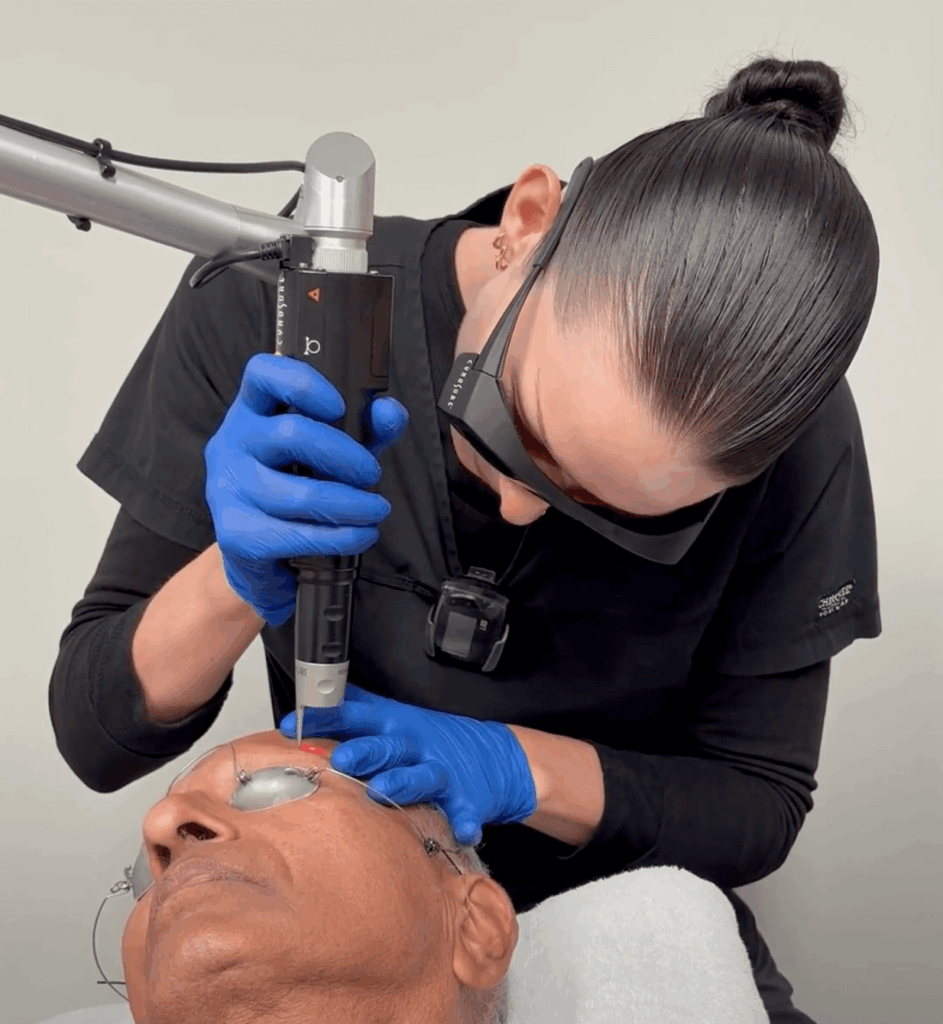
If you’re curious whether Picosecond laser treatment is a good fit for you, then you’re asking the right question. A successful treatment is not just about the latest technology, but also about ensuring it’s the right choice for each patient.
Picosecond laser technology is a modern, versatile, and effective tool in cosmetic dermatology. But, like other treatments, it works best when matched to the right skin type, condition, and treatment goals.
At Dr Refresh, every consultation always starts with education and transparency. This is your guide, your digital pre-consultation checklist that mirrors the same criteria our staff uses in person.
Let us walk you through it step by step so you can gain a clearer, more honest understanding of whether a Picosecond laser treatment aligns with your goals.
What Skin Goals Are You Targeting?
This laser technology is about precision, revitalising the skin from within. This treatment could be a great fit for you if your main issue aligns with one or more of the following goals:
Stubborn Pigmentation
If you’re one of the many who have had little luck with brightening serums or creams, a Picosecond laser may be the treatment you’ve been waiting for. It can fade sun spots ( lover spots or solar lentigines) and age spots (seborrhoeic keratsoses) by breaking down extra pigment particles underneath the skin’s surface.
Melasma
Melasma (dermal or mixed) responds well to Picosecond laser treatments but can worsen with traditional heat-based lasers. Picosecond lasers use ultra-short energy pulses, which greatly reduce heat and avoid the risk of rebound pigmentation.
Acne Scar
This type of laser is best for treating atrophic (pitted or indented) scars and post-inflammatory redness by encouraging collagen production and promoting smoother skin renewal.
Fine Lines and Poor Texture
If you wish to achieve a smoother, more refined complexion, the collagen-remodelling effects of a Picosecond laser can noticeably improve skin tone, elasticity, and texture in a short time.
Unwanted Tattoos
Picosecond lasers are also effective in removing unwanted tattoos. It targets pigments with precision and minimal skin disruption. If your skin goals fall within these areas, you are already a step closer to determining if Picosecond laser is the right choice for you.
Understanding Your Skin’s Profile
After determining your skin goals, let’s take a good look at your skin’s history. Before any Picosecond laser treatment, Dr Ritu will assess several key factors to ensure safety and an optimal outcome.
Skin Tone (Fitzpatrick Type)
The Picosecond laser is versatile, which means it can be used on all skin types. It is ideal for the very fair-skinned (Type I) to those with deep brown or black skin (Type VI). It does not pose a risk to individuals with dark skin tones because it delivers short bursts of energy, effectively reducing heat buildup. Rather, it is considered one of the most effective treatment methods for patients with darker skin tones.
History of Cold Sores (Herpes Simplex Virus)
Are you prone to cold sores? Don’t worry, this won’t prevent you from receiving Picosecond laser treatments. However, you will need to complete a course of preventive antiviral therapy before you start to reduce the risk of flare-ups triggered by laser energy.
History of Keloid Scarring
This is a critical factor to consider. If you tend to develop keloids or hypertrophic scars, this laser treatment may not be an ideal option for you. However, in the hands of an expert, specialist dermatologist, even people with a history of keloids can be carefully treated.
Assessing Your Daily Routine and Sun Habits
Your daily habits after treatment contribute to the success of your Picosecond laser treatment. A successful outcome may depend on your commitment to proper skin care and sun protection.
Dr Ritu and her specialist clinic team may recommend the following aftercare tips to you after treatment. They may include:
Commitment to Sun Protection
This is non-negotiable. After treatment, the skin is no more sensitive to UV exposure, BUT skipping sun protection can ruin your results or lead to increased pigmentation. The best results are seen in those who are willing to wear broad-spectrum SPF 50+ every morning and reapply it throughout the day.
Recent Sun Exposure or Tanning
If you’ve had recent sun exposure, including sunburn and tanning, your Picosecond laser treatment must be postponed. Exposing tanned skin to a laser can increase the risk of burns or uneven pigmentation. You need to wait at least 2 to 4 weeks for your skin to stabilise.
Current Skincare Routine
You must discontinue using skincare products with active ingredients—such as retinoids, AHAs, and BHAs—for at least 5 to 7 days before your Picosecond session. These ingredients can make skin more reactive, so giving your skin a short break ensures it’s balanced, calm, and ready.
Safety First: Who Should Avoid This Treatment
At Dr Refresh, your safety is always our priority. There are certain situations where a Picosecond laser is not appropriate. These guidelines are intended to protect your health and ensure that every treatment is performed in the safest conditions.
Pregnancy or Breastfeeding
Laser treatments are not performed during pregnancy or while nursing. Although there’s no evidence of harm, skin can behave unpredictably during these times, and caution is the safest course of action.
Current Use of Isotretinoin (Roaccutane)
If you’re taking Isotretinoin at low dose ( usually 20mg per day or less), then in our team’s hands, we can treat you. At higher doses this drug increases the risk of irritation and can impair healing.
Active Infections or Skin Issues
The Picosecond laser must not be used on skin with active eczema, psoriasis, open wounds, or infections (bacterial, viral, or fungal). The skin must be completely healed to avoid spreading infection or worsening inflammation.
Use of Photosensitising Medications
Some medications can make skin extra sensitive to light and laser energy. A thorough medication history will be taken during your consultation to identify and manage these risks.
If any of these apply to you, Dr Ritu or her clinical specialist staff will recommend a safer alternative until you are ready for treatment.
So, Is Picosecond Laser Right for You?
If you’ve read through this guide and found yourself nodding along, then it sounds like this treatment could be a great fit. And just as importantly, if none of the contraindications apply to you (like pregnancy, active infections, or recent isotretinoin use), then there’s a very good chance Picosecond laser is right for you.
Always remember, success isn’t about chasing trends but about aligning technology with your specific skin profile and realistic goals. This is where experience matters.
At Dr Refresh, every plan begins with a thorough skin consultation—including a Fitzpatrick type assessment, sometimes even a patch test, and a personalised treatment plan tailored to your needs and safety.
Your skin’s story is unique, and so is your treatment and aftercare plan. Schedule a consultation with Dr Ritu or her specialist clinical staff to discover how we can help. Call the Dr Refresh team at (02) 8014 6500 to book a consultation. Alternatively, you can also enquire and book online.