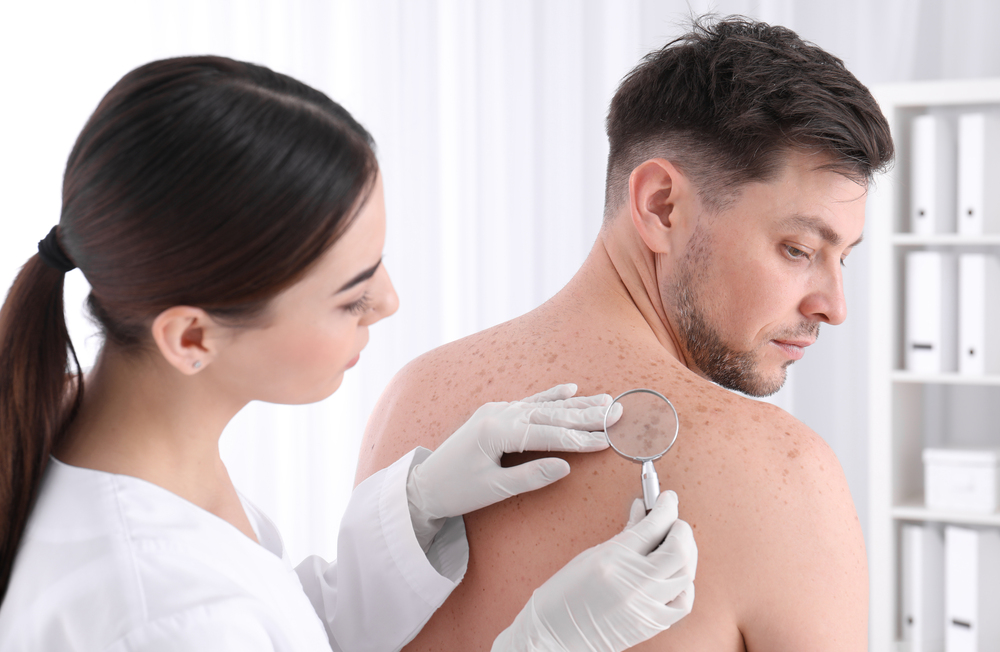
While a little skin dryness during wintertime is normal, persistent scaling is your body’s way of telling you to pay attention. Constant flaking, scaling, or peeling means the epidermis (the outer skin layer) is damaged or the skin cells are turning over too rapidly.
Learn how to identify the true cause of your peeling or scaling, and when to seek professional help from Dr Ritu and her specialist clinical staff at Dr Refresh.
The Main Types of Scaling Skin & Their Symptoms
Scaling skin is basically a symptom of various medical conditions, including psoriasis, contact dermatitis, eczema, and fungal skin infections. Here’s an overview of the main types:
Atopic Dermatitis (Eczema)
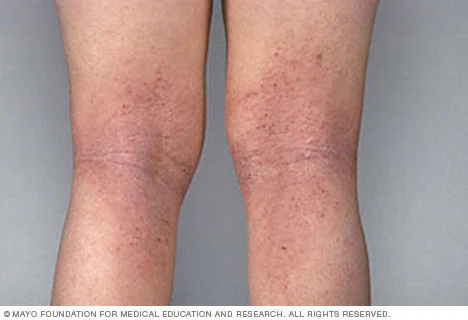
Source [16]
Atopic dermatitis, or eczema, is a skin condition that causes dryness, itching, and inflammation. Eczema usually starts in childhood, with flare-ups continuing into adulthood.
There are various types of atopic dermatitis, but specialists may refer to eczema by location, such as face dermatitis, hand dermatitis, head and neck dermatitis, or nipple dermatitis [1]. Common symptoms include:
- Skin rash
- Dry or cracked skin
- Itching
- Red, purple, or brown skin discolouration,
- Swelling
- Small bumps filled with fluid or crusting
Symptoms vary from person to person, and eczema usually develops in areas where the skin flexes or bends, such as the area behind the knee or the inside of the elbow [1].
Psoriasis
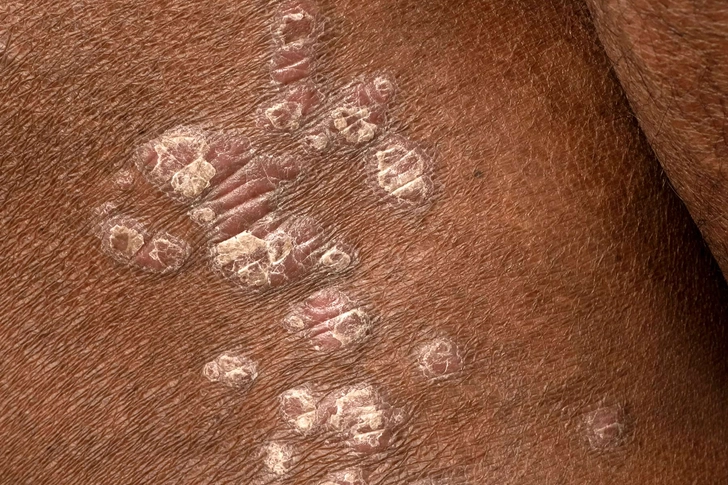
Source [11]
Psoriasis is an autoimmune condition causing scaling, dryness, and itchiness. Plaque psoriasis is the most common type of psoriasis, in which skin becomes thick and scaly, usually on the scalp, elbows, knees, palms and feet, lower back, fingernails and toenails, genitals, and even inside the mouth [2].
Many mistake psoriasis for eczema as both cause scaling and itching, but psoriatic plaques are well-circumscribed and cause the skin to become thick and scaly. On the other hand, eczema causes dry and bumpy skin. Psoriasis symptoms include:
- Rash or a raised, thick skin
- Discoloured skin on the plaque
- Plaque is scaly or flaky and often sheds easily.
Aside from these symptoms, psoriasis is also painful and scratching the plaques can break the skin open, which may cause an infection [2].
Seborrhoeic Dermatitis
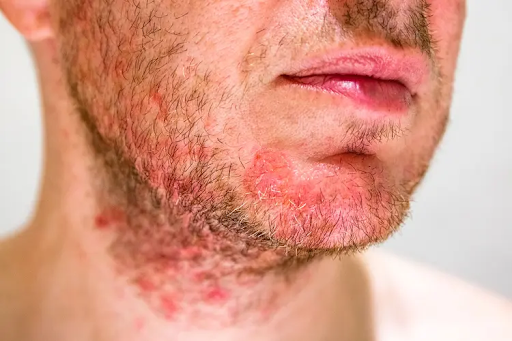
Source [12]
Seborrhoeic dermatitis is a common condition that affects the scalp, leading to scaly patches, inflammation, and stubborn dandruff. It affects oily areas of the body such as the face, eyebrows, sides of the nose, eyelids, ears, and chest [3].
Seborrhoeic dermatitis is also known as dandruff, seborrheic eczema or psoriasis. Common symptoms are:
- Flaking skin
- Patches of greasy skin
- Skin rash that may look lighter or darker in brown or black-skinned people
- Itching
The symptoms of seborrheic dermatitis often worsen during stress, fatigue, or during seasonal changes [3].
Actinic Keratosis (Sun Damage)
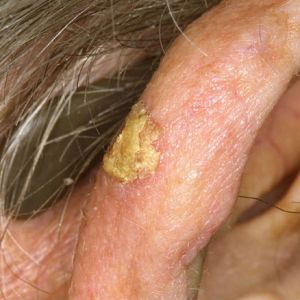
Source [13]
Also known as solar keratosis, it is a precancerous skin condition that appears as rough or discoloured areas on skin that has received a lot of sun exposure; hence, it must be checked once spotted!
Australians identify with this skin condition as the country has one of the highest levels of UV radiation [4]. When not identified early or without treatment, actinic keratosis can turn into squamous cell carcinoma (SCC) skin cancer [5].
Actinic keratosis can appear on the scalp, face, arms, the backs of the hands, and other sun-exposed areas. Symptoms include
- Bumpy skin
- Burning or stinging under clothing
- Bleeding
- Chaffed lower lip (if the condition is on the lips or face)
- Discolouration
- Itchy or painful skin
- Scaly, rough, dry, or crusty
Some types of actinic keratosis may feel like sandpaper, while some may look similar to an acne breakout [5].
Fungal Infections (Tinea/Ringworm)
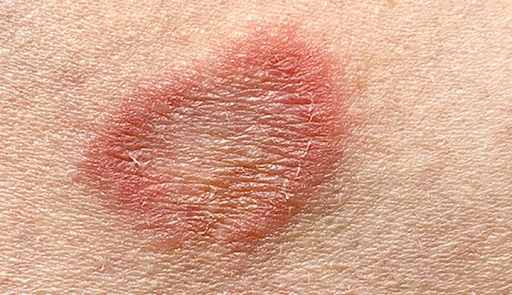
Source [14]
Ringworm is a highly contagious, itchy fungal infection that looks like a ring on your skin. It is caused by a fungus that thrives in warm, humid environments such as public showers and locker rooms. It appears as a scaly rash and spreads easily through close contact.
There are many types of ringworm depending on the area of the body affected. Symptoms include
- Circular or ring-shaped plaque or scales
- Flat patches with a raised border
- Itching
- Bald spots or hair loss on the affected part
Signs appear between four and 14 days after skin contact with the fungus that causes ringworm.
Folliculitis
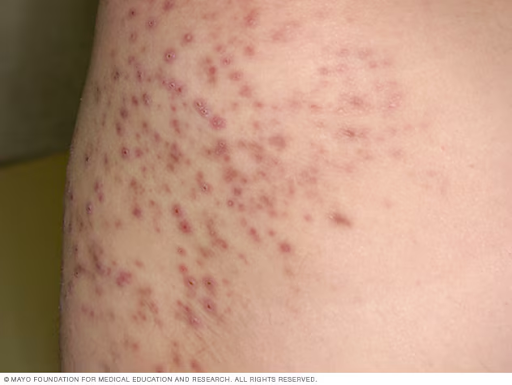
Source [17]
Folliculitis is a common skin condition that occurs when hair follicles become inflamed due to bacteria. It may appear like small pimples around tiny pockets where hair grows (follicles). The condition is itchy and sore, spread into surrounding areas, turning into crusty sores.
Usually, mild folliculitis heals in a few days without scarring. Serious infections will require prescription medication and untreated ones can cause permanent scarring and hair loss.
The Best Treatments for Scaling Skin
There is no “one size fits all” treatment for scaling skin. Treatment must align with the diagnosis to ensure success.
Eczema & Barrier Damage
Treatment for scaling due to eczema and skin barrier damage includes the use of thick emollients or moisturisers that contain ceramides, glycerin, and hyaluronic acid. These products soothe scaly and itchy skin and fill the gaps between skin cells, enhancing the skin’s barrier function [7]. For severe inflammation, topical corticosteroids can help calm the skin.
Psoriasis & Seborrhoeic Dermatitis
For psoriasis, keratolytic agents (these dissolve the upper layer of thick skin), such as salicylic acid and coal tar, retinoids such as tretinoin and acitretin, and alpha hydroxy acids can help gently dissolve thick scales and ease scaling and itching [8]. For seborrhoeic dermatitis, applying medicated anti-inflammatory or antifungal creams is best for treating persistent symptoms.
Actinic Keratoses
Actinic keratoses require medical intervention to treat and avoid progression to skin cancer. Treatments include cryotherapy or freezing the affected area to remove pre-cancerous cells and prescription topical chemotherapy creams to destroy remaining pre-cancerous cells [9]. More recent interventions include laser resurfacing, which will also improve the health and cosmetic appearance of the skin.
When to Stop Self-Treating and Seek Professional Help
If the scaling, itching, swelling, and other accompanying symptoms don’t subside or worsen after self-treatment, you must seek the help of a dermatologist who will conduct a thorough skin check and provide medical-grade treatments to ease symptoms.
The Warning Signs
Book an appointment with a dermatologist if you find the following:
- Scaling does not improve after two weeks of regular use of OTC medications.
- Scaly patches of skin are rough, crusty, and bleed when picked (a major red flag for skin cancer).
- Scaling may be accompanied by severe pain, pus, or a spreading rash (symptoms of a secondary bacterial infection).
- Scaling, dryness, and itching affect your sleep or quality of life.
Frequently Asked Questions
Why is my skin peeling even though I moisturise every day?
If your skin still peels after regular use of moisturisers, you likely have an underlying medical condition such as actinic keratoses, psoriasis, eczema, or fungal infection. These require targeted medical treatments rather than just moisturising or hydration.
Can I use a facial scrub to remove scaling skin?
No, facial scrubs will not help remove scaling skin; they will create micro-tears in your already broken skin barrier. This could lead to increased inflammation, redness, and a possible risk of infection. It is best to seek professional help for scaling skin.
How do I know if a scaly patch is skin cancer?
Actinic keratoses are a pre-cancerous skin condition. Skin may look and feel like rough sandpaper and may occasionally bleed or form crusts. If you have a persistent scaly spot on sun-exposed skin that does not heal, it must be checked immediately.
Can retinol cause my skin to scale and peel?
Yes. Retinol can make skin scale and peel. Also called “retinisation,” the skin adjusts as cell turnover accelerates. But if peeling is accompanied by severe burning and redness, consult a professional, as you may have damaged the skin barrier during retinol treatment.
End The Discomfort Of Scaling Skin. Book A Skin Check Today
Scaling is the skin’s way of telling us that it needs immediate attention. Do not endure the discomfort of scaling, itchy, and dry skin. With professional help, you can stop the irritation and reset your skin to its natural state.
Stop hiding behind heavy creams that don’t solve the root problem. Whether you are dealing with chronic eczema, sun damage, or a compromised skin barrier, the experts at Dr Refresh are here to help. Book a comprehensive skin consultation today and let us restore your skin to its optimal health.
References
[1] Cleveland Clinic – Atopic dermatitis
[2] Cleveland Clinic – Psoriasis
[3] Mayo Clinic – Seborrhoeic dermatitis
[4] Cancer Council – UV Index
[5] Cleveland Clinic – Actinic keratosis
[6] Cleveland Clinic – Contact Dermatitis
[7] Liv Hospital – 7 Best Emollients For Eczema: OTC Relief & Moisturizers
[8] Osmosis – Keratolytics: Nursing pharmacology
[9] Mayo Clinic – Actinic keratosis
[10] DERM Lab – What is Eczema/Atopic Dermatitis?
[11] WebMD – Psoriasis
[12] WebMD – Seborrhoeic dermatitis
[13] PCDS – Actinic keratoses (Solar keratoses)
[14] Cleveland Clinic – Ringworm
[15] NHS – Contact dermatitis
[16] Mayo Clinic – Atopic dermatitis (eczema)
[17] Mayo Clinic – Folliculitis