
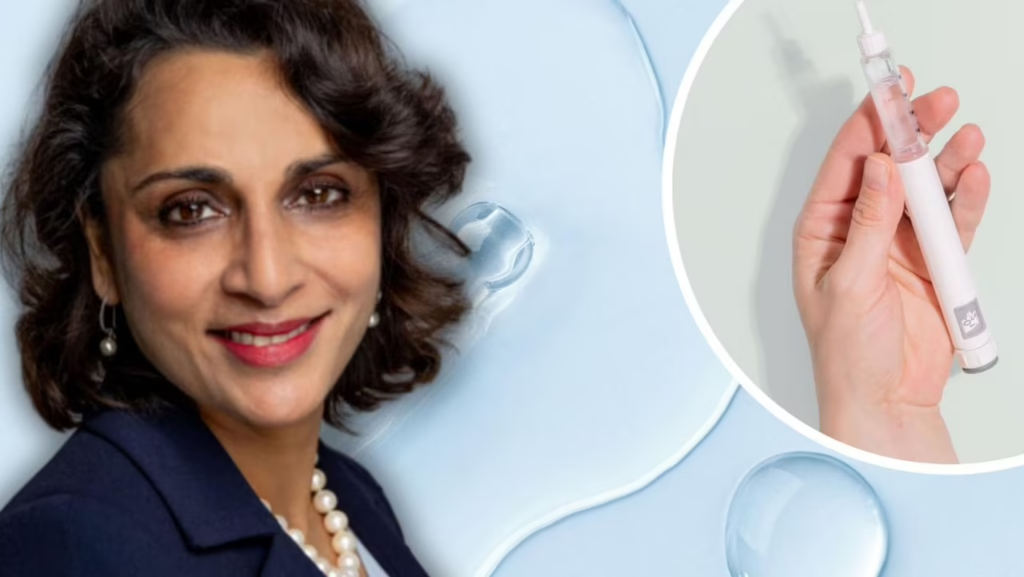
It’s impossible to ignore the hype around peptide therapy. It’s all over social media, wellness podcasts, and blogs. Many claim it’s the much-awaited solution to curb ageing, to erase unsightly wrinkles, or to rejuvenate skin. But as promising and exciting as the science is, there is still a lot of noise.
In fact, the rising trend of unverified anti-ageing hacks has become so concerning that Dr Ritu recently issued a warning against peptide injections in The Australian.
This is where Dr Refresh steps in, offering trusted medical advice and clear, evidence-based perspectives. We unpack what peptides can genuinely do, what remains unproven, and identify areas where extra caution is needed. By separating biological reality from marketing claims, this guide can help you make safe, informed decisions about peptide treatments.
What Are Peptides, Exactly? (The Science Made Simple)
Peptides may sound complex, but they are actually simple. They are short chains of amino acids, the same building blocks that form proteins such as collagen and elastin, large proteins that keep skin firm and smooth [1]. Peptides are smaller fragments of these proteins, designed with specific functions within the body.
One of the most important roles of peptides is as “cellular messengers.” The body relies on constant communication between cells to ensure healthy function, repair of damage, and respond to changes within the body. Peptides deliver these messages efficiently. When used in treatments, particularly peptide injections, they signal the body to trigger certain processes, including boosting collagen production, accelerating tissue repair, or promoting hair growth.
Peptides do not replace what the body already does but encourage it to do it more efficiently. This makes peptides very appealing in the medical and cosmetic fields.
The Most Popular Peptides in Aesthetic Medicine
Peptide therapy is becoming more and more popular, and a handful of names consistently come up in clinics and patient enquiries. Each offers specific benefits, particularly when it comes to skin health, repair, and rejuvenation.
GHK-Cu (Copper Peptides)
Considered the gold standard in aesthetic skincare, GHK-Cu has earned a reputation for skin regeneration. This peptide naturally occurs in the body, with a key role in wound healing and inflammation. In aesthetic use, it can stimulate collagen and elastin production, helping reduce fine lines, improve firmness, and restore elasticity. GHK-Cu supports skin repair, making it popular for damaged or ageing skin [2].
CJC-1295 / Ipamorelin
This peptide combination is commonly associated with wellness and performance, but recently it has been recommended for its aesthetic benefits. CJC-1295/Ipamorelin works by stimulating the body’s natural release of growth hormone, which is critical in cell turnover and tissue regeneration. The skin benefits from improved texture, hydration, and a more revitalised appearance. Patients also report additional benefits such as improved fat metabolism, helping achieve a leaner or more defined appearance [3].
BPC-157
Known as the “body protecting compound,” BPC-157 is recognised for its tissue-healing properties. It supports recovery from injuries, but aesthetically, it promotes skin recovery after damage or a surgical procedure [4]. With faster healing and reduced inflammation, this peptide can minimise downtime and improve overall recovery.
Topical vs. Injectable Peptides: What’s the Difference?
This is one of the most common questions among patients: “Why opt for injections when peptide serums are widely available?” The answer comes down to skin biology and Australian law.
Topical peptides, such as creams and serums, are safe, completely legal over-the-counter cosmetics. They excel at surface-level hydration, smoothing texture, and supporting the outer skin barrier. However, because the skin barrier is designed to keep external substances out, the large molecular size of topical peptides prevents them from penetrating into the deeper dermis where collagen is produced.
Injectable peptides bypass this natural barrier entirely to deliver compounds directly beneath the surface. But while bypassing the barrier sounds efficient, it instantly shifts these substances from harmless cosmetics into heavily restricted therapeutic goods.
In Australia, the legal reality is stark: purchasing injectable peptides online from overseas or acquiring them through unregulated channels without a legitimate medical prescription is illegal. Because they enter the body systemically, unapproved injectables carry severe risks of infection, systemic inflammation, and tissue damage.
It’s important to raise again that this underground market is exactly why Dr Ritu’s feature in The Australian warned against peptide injections, highlighting that using unregulated, non-TGA-approved injectables without strict medical oversight is both a significant health hazard and a possible legal violation.
4 Truths a Dermatologist Wishes You Knew
1. Peptides Are Not Magic Erasers
Peptides are powerful but do not guarantee an instant fix. It takes time for skin to regenerate, especially after damage or ageing skin, as this involves building new collagen and elastin. Patients report gradual improvements in their skin, achieving peak results between three and six months. Therefore, setting realistic expectations is critical to avoid disappointment.
2. Peptides Work Best as a Team
Using peptide therapies alone won’t be enough to improve overall skin health. Peptides may enhance the body’s natural processes, but will never compensate for poor lifestyle habits such as lack of sleep, poor nutrition, and skipping sunscreen application. This therapy must be combined with a solid skincare routine, the right nutrition, and good sleep hygiene to achieve better outcomes.
3. Understanding the Real Risks of Injectables
Online wellness trends often downplay the side effects of DIY or unregulated peptide injections, claiming they are simply mild or easily managed. The clinical reality is much darker. Bypassing the skin barrier with unverified, non-TGA-approved injectables introduces significant medical hazards. Rather than mild redness, patients risk severe skin infections, permanent tissue scarring, systemic inflammation, and even life-threatening anaphylactic shock.
4. Prioritise Clinical Evidence Over Viral Fads
In cosmetic dermatology, patient safety is the ultimate priority. Just because an influencer claims a synthetic peptide transformed their skin does not make it safe, legal, or biologically appropriate for you. Because injectable peptides like GHK-Cu lack rigorous human trials, an ethical, evidence-based clinic will not prescribe or administer them.
A thorough dermatological assessment will focus on steering you away from dangerous internet fads and, instead, a specialist dermatologist such as Dr Ritu, will provide a tailored treatment plan using safe, highly effective topical peptides and approved clinical treatments that deliver proven results.
Are Peptide Injections Safe?
While the concept of peptides is grounded in biological reality, they are the amino acid building blocks of essential proteins, cosmetic peptide injections are not considered safe or medically advisable.
The wellness industry often markets these injectables as “bio-identical” and well-tolerated. However, popular subcutaneous options like BPC-157 and GHK-Cu lack rigorous human clinical trials. Because these products are predominantly sourced from unregulated online markets, they carry severe risks, including systemic inflammation, skin infections, tissue scarring, and unpredictable immune responses like anaphylaxis.
At Dr Refresh, patient safety is our absolute priority. True clinical safety requires evidence-based medicine, strict TGA compliance, and approved therapeutic avenues, which is why we do not support or offer unregulated injectable peptide treatments.
Frequently Asked Questions
Do you offer peptide injections at Dr Refresh?
No, we do not administer cosmetic peptide injections. Due to the lack of human clinical data and the significant health risks associated with unregulated production, our medical team does not support or provide subcutaneous peptide treatments for anti-ageing.
How can I safely use peptides for my skin?
The safest and most effective way to utilise peptides is through high-quality, medical-grade topical formulations (creams and serums) prescribed by a qualified professional. While topical peptides work from the outside in, clinical trials show they are highly effective at improving skin hydration, smoothing out fine lines, and supporting the overall health of your skin barrier without invasive risks.
Step Into the Future of Skincare with Dr Refresh
Ageing is natural, but how we age is a personal choice. Stop guessing which online fad will work for you and start a medically-supervised peptide treatment protocol today.
Ready to unlock your body’s natural regenerative power? Book a consultation with Dr Ritu or an experienced clinical-trained staff member at Dr Refresh today to build an effective plan tailored specifically to your skin and longevity goals.
References
[1] WebMD – Peptides: Types, Uses, and Benefits
[2] Innerbody – GHK-Cu Peptide: Benefits, safety, dosage, and how it works
[3] Innerbody – CJC-1295 and Ipamorelin
[4] Infinity Medical Institute – Recovery