Decades of sun exposure leave two separate marks on the skin, and most people have both.
The first is pigment: age spots, freckling, patchy tone and the general dullness that comes from uneven melanin distribution. The second is vascular: diffuse redness, flushing, and the fine broken capillaries that become more visible over time.
They are different problems in different cells, and treating one while ignoring the other is why skin can look clearer after treatment and still not look well.
The Light, Bright and Brilliant package addresses both. Broadband light treats pigment and vascular targets in the same session, because the energy is absorbed by melanin and by haemoglobin, allowing brown and red to be treated together. Where texture and, deeper pigment or aged spots also need attention, picosecond laser is added to the plan.
To be clear about what this is, the aim is clarity and evenness so that your natural skin tone can shine through. Skin that is even and undamaged reflects light consistently, and that is what reads as bright.
Conditions We Treat
Age Spots & Solar Lentigines
Flat brown patches on the face, chest, shoulders and hands, caused by years of accumulated UV exposure. Light energy is absorbed by the pigment, which darkens and then clears over the following days.
Diffuse Facial Redness
Background redness across the cheeks and nose that does not settle. Energy absorbed by haemoglobin closes the small vessels producing it.
Broken Capillaries
Visible fine vessels, particularly around the nose and cheeks, treated directly rather than covered by make-up.
Uneven Tone & Dullness
Patchy pigment scatters light unevenly, which is what makes skin look flat. Evening the tone is what produces the change people describe as brightness.
Texture & Skin Quality
Repeated treatment stimulates collagen alongside the pigment and vascular work, refining surface quality over a course.
Reduces Skin Cancer Risks
Multiple studies now show that a combination of the above lasers used appropriately for regular maintenance treatments reduces the risk of basal and squamous cell cancer.
Why Choose Us
Redness Is Not One Condition
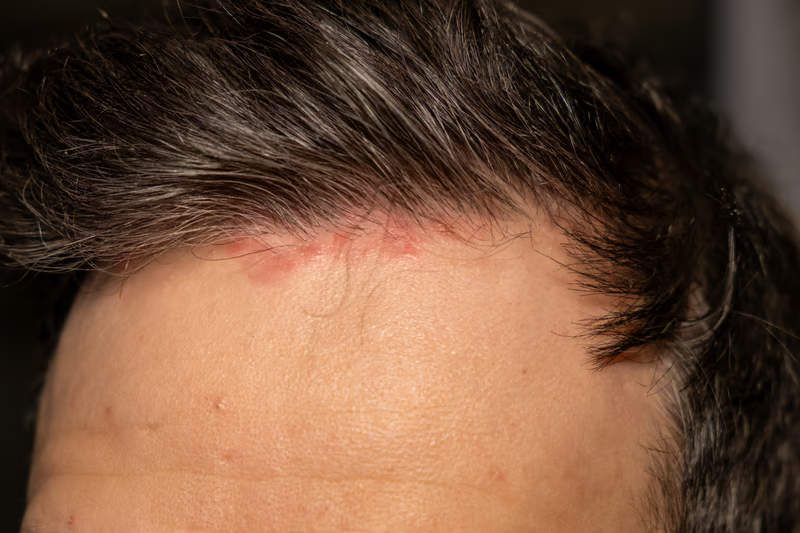
Flushing, rosacea, broken capillaries and post-inflammatory redness look similar and behave differently. Rosacea in particular needs medical management alongside any light treatment, not instead of it. Establishing which you have comes first.
Pigment Is Not One Condition Either
Sun-induced pigment responds well to light-based treatment. Melasma does not always, and heat can make it rebound. Knowing the difference before treating is what prevents a worse starting point.
Specialist-Led Diagnosis Before Treatment
Your consultation is with a specialist dermatologist or her specialist-trained clinical staff. Pigmented lesions are also assessed as part of that, since not every brown mark is an age spot.
Settings Matched to Your Skin Type
Light-based treatment carries a higher pigmentation risk in deeper skin tones. Settings are selected accordingly, and in some cases a different technology is more appropriate.
A Course, Planned Upfront
Results build across sessions. You will be told roughly how many to expect before you begin, along with what maintenance looks like afterwards.
Clarity Has to Be Maintained
Sun-induced pigment and vascular change are cumulative. Treating them without changing what caused them produces a result that undoes itself over a summer.
Daily sun protection is part of the treatment rather than aftercare, and appropriate topical support helps hold the result between sessions. Where an underlying condition such as rosacea is driving the redness, that is managed in its own right.
Specialist dermatologist Dr Ritu Gupta and her clinically trained team assess what is actually present before recommending treatment. Individual results vary, all procedures carry risks, and suitability is determined at a personal consultation.
FAQs
What does the Light, Bright and Brilliant package treat?
Sun damage, age spots, uneven pigmentation, facial redness and broken capillaries, alongside general texture and skin quality. The aim is even, clear skin rather than any change to your natural skin tone.
How is this different from the Glassy Skin package?
The Glassy Skin package uses picosecond technology and focuses on pigmentation, pore appearance, fine lines and scarring. This package adds vascular treatment, so it suits skin where redness and broken capillaries are part of the picture. Which is appropriate depends on what is actually present.
How many sessions will I need?
Typically a course of several sessions spaced weeks apart, with the number depending on the extent of sun damage and redness. An estimate is given after examination.
What is the downtime?
Minimal. Expect redness and mild warmth for several hours to a day. Treated pigment may darken into a coffee-ground appearance before flaking away over about a week, which is expected rather than a complication.
Does it hurt?
Most people describe a sensation like a light elastic snap with a warm pulse. It is very tolerable and feels alike to laser hair removal.
Is it suitable for darker skin tones?
Broadband light carries a higher risk of pigmentation change in deeper skin tones, so settings are chosen conservatively and alternative technologies may be more appropriate. This is assessed individually rather than assumed.
Will the results last?
Treated pigment and vessels do not spontaneously return, but new sun damage accumulates and vascular change continues. Daily sun protection determines how long the result holds, and regular maintenance further enhances the firmness and wrinkle reduction with treatment and also reduces the risk of basal and squamous cell cancer.