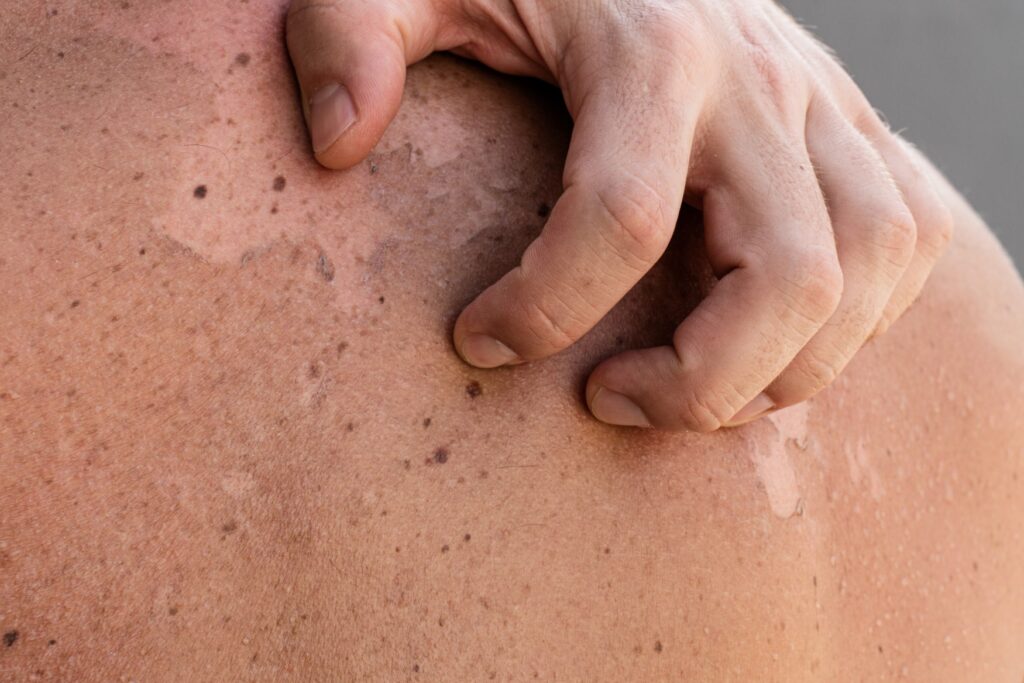
Actinic keratoses (AK) are a common skin condition due to chronic exposure to ultraviolet (UV) rays. If you’ve regularly gone out in the sun without wearing sunscreen or have not bothered about sun protection, UV rays cause a cumulative effect, damaging the DNA of skin cells and eventually suppressing local immune responses.
AKs look like rough, scaly, or crusty patches on sun-exposed skin on the face, scalp, and hands. Removing these requires more than using creams and lotions. You need a clinically-proven treatment such as cryotherapy (freezing), medication (such as 5-fluorouracil) or the gold standard of laser resurfacing to remove damaged outer skin layers, stimulate collagen production and remove photodamage.
Let us take a closer look at how UV damage leads to actinic keratoses and why certain lasers and laser resurfacing has become an effective option for restoring healthier-looking skin. Beyond aesthetic rejuvenation, treating these lesions is a vital preventative step that actively reduces the risk of progression to non-melanoma skin cancers, such as squamous cell carcinoma.
To deliver these advanced therapeutic and preventative outcomes, Dr Refresh houses the most in-house, world-class lasers of any specialist dermatology practice in NSW, utilising premier BBL, picosecond, and resurfacing laser treatments to target deep solar damage and precisely clear pre-cancerous cells.
The Cellular Impact: Fibroblasts and IGF-1 Activation
Achieving healthy skin depends on cellular signalling pathways that help regulate repair, regeneration, and immune function. The most important cells are dermal fibroblasts, responsible for producing collagen, elastin, and other critical structural components that promote skin integrity.
But years of cumulative UV exposure can negatively affect fibroblast activity, reducing their ability to support tissue repair and maintain a balanced dermal microenvironment.
The decline in fibroblast function also affects the skin’s natural defence mechanisms. As the communication between cells is disrupted, the damaged epidermal cells may not be regulated effectively, thus increasing the risk of abnormal cell behaviour.
The IGF-1 Pathway
Laser resurfacing can help reverse some of these effects by triggering a controlled wound-healing response within the skin. During the healing process, the dermal fibroblasts are activated, increasing the production of IGF-1, a critical signalling molecule involved in cellular growth, repair, and regulation.
Restoring IGF-1 activity helps re-establish communication between the epidermis and dermis, promoting a healthier cellular response after UV exposure. This supports normal skin regeneration, rejuvenating the skin and enhancing its longevity and tissue quality.
Anti-carcinogenic Potential
Restoring optimal IGF-1 levels has added benefits that are beyond skin rejuvenation. Normalising epidermal cell signalling helps prevent UV-damaged keratinocytes from turning into more advanced, precancerous or cancerous lesions. This mechanism helps repair the dermal microenvironment and encourages correct cellular responses to DNA damage.
Therefore, for patients with AKs and significant photodamage laser resurfacing is therapeutic as well as preventative. This treatment can address existing lesions while supporting long-term skin health.
Clearing Tumour-Associated Vascular Networks
Chronic sun damage is invisible to the naked eye. As actinic keratoses and other pre-cancerous lesions form, surrounding tissues develop abnormal blood vessel growth known as tumour-associated vasculature. Blood vessels start to grow to supply the damaged cells with oxygen and nutrients, critical for their growth.
Lasers can target these blood vessels with expert precision. Specific laser wavelengths are absorbed by the haemoglobin in the blood and once absorbed, laser energy turns into heat that coagulates these abnormal blood vessels. They collapse but without affecting surrounding healthy tissues. The body naturally clears away these damaged vessels.
Thus, laser resurfacing helps disrupt the support systems of atypical cells, clearing AKs and reducing inflammation as it improves overall skin health.
Restoring the Skin’s Immune Surveillance
One of the least known effects of chronic UV exposure is the localised immunosuppression within the skin. UV damage can impact the function of immune cells, which are responsible for identifying and eliminating abnormal keratinocytes. As a result, mutated or atypical cells persist within the epidermis, increasing the risk of AKs and other precancerous lesions from developing.
Fractional and ablative laser resurfacing can address this issue by removing damaged epidermal layers that harbour abnormal cells, reducing the overall burden of UV-damaged tissue while creating a precise wound-healing response.
And as the skin starts to repair itself, fresh immune cells move to the treated area, restoring the skin’s natural immune defence systems and improving its ability to recognise and respond to abnormal cellular changes. The healing process also promotes the regeneration of healthier, normotypic tissues.
Laser resurfacing supports both the clearance of existing photodamage and the restoration of long-term skin health.
The Patient Pathway: Consultation, Risks, and Recovery
At Dr Refresh, laser resurfacing is a clinical treatment that follows these steps:
Mandatory Consultation
Patients will be evaluated by a specialist dermatologist, Dr Ritu, before the procedure. She will check the extent of sun damage and ask about the patient’s medical history. These are just some of the ways to determine if laser therapy is the right solution for their skin condition.
In case she finds suspicious lesions, these will be assessed further to rule out invasive skin cancers as these require biopsy and surgical excision rather than laser treatments. Therefore, not all patients are good candidates and treatment recommendations are based on individual findings.
The Recovery Phase
Recovery from laser resurfacing will depend on the type of laser used and the depth of treatment. Most patients can expect temporary redness, swelling, crusting, and peeling as the skin heals. These are normal and may persist for several days or 1 week.
Patients must follow the recommended post-treatment care instructions and apply sun protection. These practices help support complete healing and reduce possible complications.
Possible Risks
As with any medical procedure, laser resurfacing has some risks and side effects. These may include post-inflammatory hyperpigmentation (PIH), hypopigmentation, prolonged redness, and delayed healing. Although uncommon, infection and scarring may also occur.
Patients must discuss the benefits, risks, outcomes, and alternative treatment options with their practitioner before proceeding with laser resurfacing treatments.
Next Steps: Clinical Assessment at Dr Refresh
Management of severe sun damage and actinic keratoses needs a personalised, medical approach. And to understand if laser resurfacing is appropriate for your skin conditions, contact Dr Refresh for a comprehensive clinical assessment today.
Disclaimer: Any surgical or invasive procedure carries risks. Before proceeding, you should seek a second opinion from an appropriately qualified health practitioner. Individual results may vary.