It’s natural to feel anxious after finding a new growth on your body. A fleshy bump here, a loose piece of skin there, your mind tends to jump to worst-case scenarios, worrying that it could be a sign of something far worse.
Finding a skin tag (acrochordon) is a very common worry for adults. However, skin tags are harmless, non-cancerous growths of excess skin and usually are not a medical concern.
Learning more about skin tags, including why they appear, and knowing when to book a professional appointment, is important for maintaining healthy skin and peace of mind.
Dr Refresh is your trusted partner in professional skin assessments and safe skin tag removal. With our experienced clinical staff and modern treatments, we help you address skin concerns early, keeping your skin healthy and boosting your confidence.
What Exactly Is a Skin Tag? (The Medical Reality)
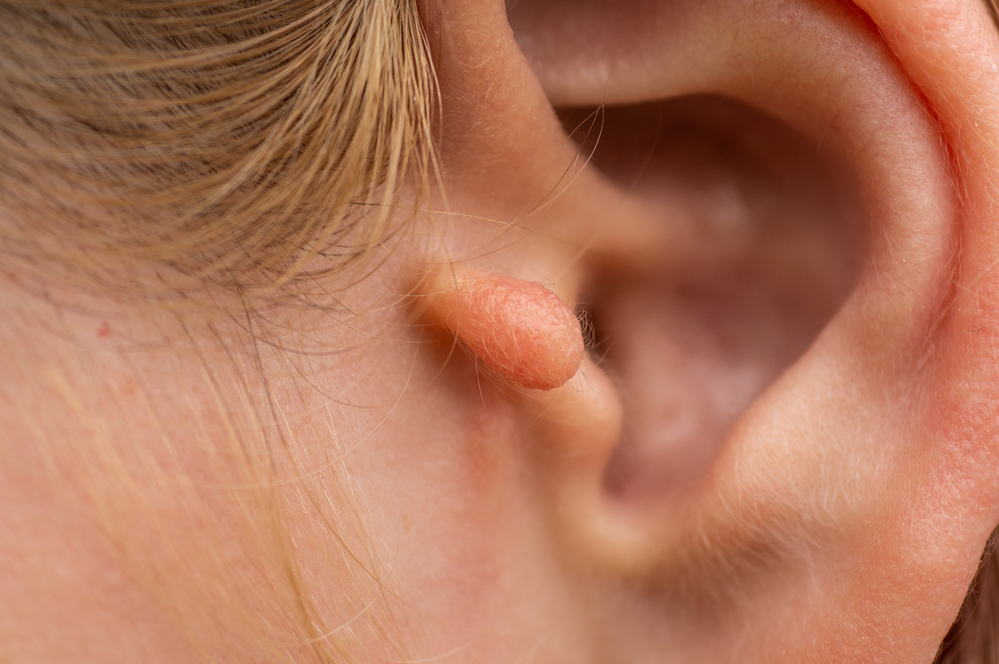
Skin tags are small growths that hang on the skin. They are benign (non-cancerous) and usually appear as soft, flesh-coloured balloons with a tiny stalk or peduncle. They are common in adults; 1 in 2 adults has skin tags, and they are generally harmless [1].
Skin tags are made of collagen and blood vessels, surrounded by skin. The exact cause of skin tags is still unknown, but they tend to develop in areas where skin rubs against skin, such as the armpits, groin, thighs, neck, eyelids, anus, and under the breasts. A person’s lifestyle and genetics also play a role in the development of skin tags [1].
People who are overweight and obese, diabetic, and women who are pregnant have higher risks of getting skin tags [1].
What Are The Differences Between a Skin Tag and a Mole?
Skin tags and moles are two of the most common marks on the skin. It’s important that you know how to properly identify them so you can easily spot any changes.
Attachment
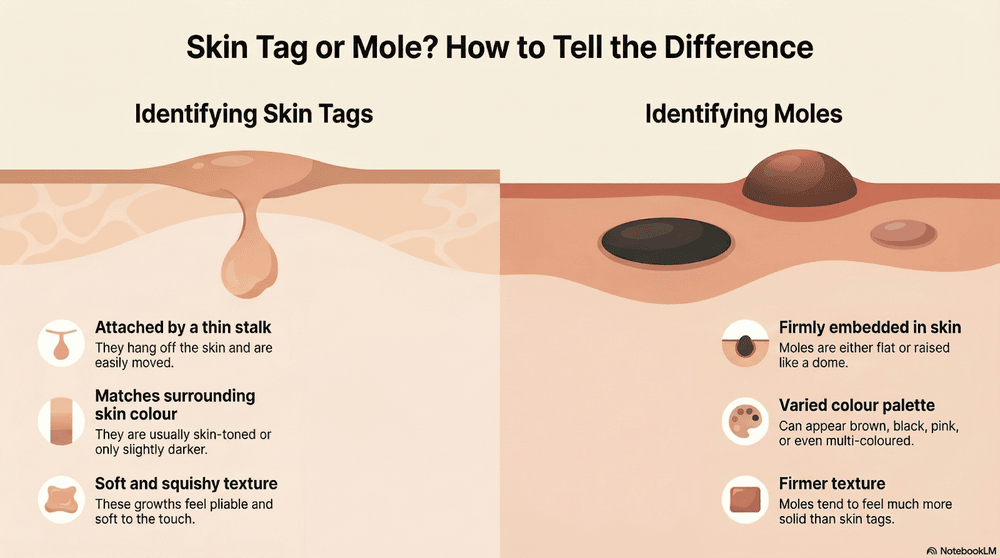
It is easy to identify a skin tag because it hangs from the skin on a thin stalk. A mole, on the other hand, is flat while some are raised or dome-shaped.
Colour
Skin tags usually have the same colour as the skin they are attached to, although sometimes they can be slightly darker. On the other hand, moles come in different colours including black, brown, pink, red, or blue.
Texture
Moles are flat and firm, dome-shaped ones also appear to be solid when pressed. Meanwhile, skin tags are soft and squishy and oftentimes tempting to pluck or remove.
The Crucial Warning
Knowing how to distinguish skin tags from moles can help you better understand your skin and manage potential issues. One such concerning issue is amelanotic melanoma [2], or colourless skin cancer. This dangerous form of melanoma can sometimes mimic the colour of skin tags, making them easy to overlook.
This is why it’s important for anyone with a suspicious skin tag to get checked right away and avoid relying on unsafe and unreliable DIY treatments found online.
When Does a Skin Tag Become a Medical Concern?
A skin tag becomes concerning and requires medical assessment when you notice the following symptoms:
Irritation and Bleeding
Skin tags that constantly catch on clothing or seatbelts can sometimes tear and bleed. When this happens, they become highly susceptible to infection. Highly irritated skin tags tend to itch, become painful when touched, and swell.
Twisting (Necrosis)
The stalk of the skin tag may sometimes twist until it eventually cuts off its own blood supply. The tag turns black due to a lack of circulation and will become very sensitive and painful.
Rapid Changes
A suspicious-looking skin tag that suddenly grows in size, changes colour, or develops an irregular border must be assessed immediately to rule out malignancy.
A skin tag becomes a medical concern when it changes in appearance, becomes irritated, swollen, bleeding, or painful [3]. Observing skin tags and having them checked as soon as you spot changes increases your chances of early diagnosis and effective treatment.
The Hidden Danger of DIY Skin Tag Removal
It’s easy for anyone to fall for claims and bogus DIY treatments for skin tags, especially when you find them gaining likes and follows on social media.
One such DIY skin tag removal hack is to tie a string or dental floss around the base and wait for the tag to fall off. Other techniques claim that using nail clippers to cut the skin tag works, while some swear by the power of harsh acidic solutions.
These DIY methods are not only ineffective but also dangerous because they
- Can lead to uncontrolled bleeding
- Can cause severe bacterial infections
- Can lead to permanent, ugly scars
And assuming the growth is cancerous, an overlooked lesion, cutting it off using home remedies will leave the cancer cells to spread beneath the skin unnoticed.
Safe, Painless Professional Removal at Dr Refresh
Usually, skin tags don’t need to be removed unless they become irritated, start bleeding, or show changes that make them look suspicious. And for skin tag removal, comfort, safety, and aesthetics are crucial factors to consider.
Dr Refresh offers a seamless, safe, and comfortable way to assess and remove skin tags. Our process is simple:
- Clinical assessment of the growth to guarantee that it’s a benign skin tag.
- Professional removal using state-of-the-art, sterile procedures (spot resurfacing laser, specialised cautery or rarely, surgical excision).
- Post-procedure care from the Dr Refresh team ensures a seamless, safe healing process.
Professional skin tag removal is painless and only takes minutes, providing the best possible cosmetic outcome with guaranteed minimal to zero scarring.
Frequently Asked Questions
Can a skin tag turn into skin cancer?
A true skin tag would only very rarely become cancerous.
Are skin tags contagious?
Skin tags are not contagious. Unlike warts, which are caused by the Human Papillomavirus (HPV) and can be spread through contact, skin tags cannot be passed to another person or transferred to other parts of the body. Warts and skin tags can be easily confused by patients and non-specialist doctors.
Does removing a skin tag cause more to grow?
This is a common misconception. Removing a skin tag will not cause more to grow in its place. But if you are prone to developing skin tags due to friction or genetics, you may develop new ones in the same area, over time.
Will my skin tag fall off on its own?
If a skin tag twists and loses its blood supply, it can fall off naturally. However, most are permanent unless professionally removed.
See a Professional to Check Your Skin Tags
True skin tags are harmless, but you don’t have to live with the discomfort and the cosmetic concern of having one. Have your skin tags checked and removed professionally to ensure safety and confidence.
Don’t risk infection or scarring with DIY remedies, and never guess about new skin growths. For absolute peace of mind and flawless cosmetic results, book a professional skin check and removal consultation with the experts at Dr Refresh today.
References
[1] Health Direct – Skin tags (acrochordons)
[2] DermNet – Amelanotic melanoma
[3] Medical News Today – Can skin tags be cancerous?