
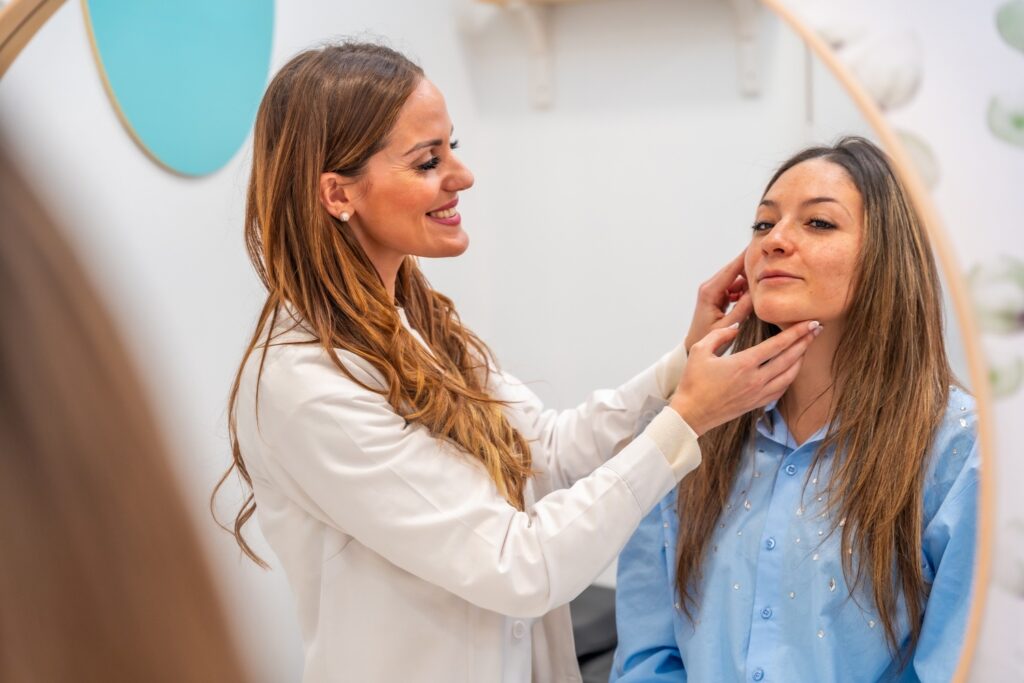
Do you know what’s trending in beauty lately? It’s the viral peptide injections that claim to reverse ageing and keep wrinkles and fine lines at bay. Many people are taking notice because it’s on social media, endorsed by popular fitness influencers and beauty bloggers. But is there a grain of truth behind all the hype? Can you really stop ageing with injectable peptides?
While peptides are building blocks for the skin, with countless products ranging from topical creams and oral supplements, purchasing and injecting synthetic peptides at home is highly dangerous. If you wish to use peptides for their aesthetic and anti-ageing properties, you need to do so under the care of a licensed medical professional.
Let us clear the noise about injectable peptides and establish safety and scientific clarity. At Dr Refresh, our specialist dermatologist, Dr Ritu, regularly cuts through this online hype. In light of her recent feature in The Australian highlighting the risks of peptide injections, she is here to explain exactly what the science says, the dangers involved, and how to safely achieve the skin results you want.
What Are Peptides and How Do They Work?
Peptides are short chains of amino acids, the fundamental building blocks of proteins. Peptides are naturally occurring in the human body and are critical in regulating many body functions. Compared to large and complex protein forms, peptides are smaller and thus easier for the body to absorb and use. Peptides act as biochemical “messengers,” sending signals to cells, telling them to perform specific tasks [1].
Peptides for Skin Health
Certain peptides have the unique ability to regenerate skin. Specific signalling peptides can trigger fibroblast cells within the dermis to produce collagen and elastin. These are structural proteins that are responsible for keeping the skin firm, elastic, and youthful. And as collagen levels naturally decline with age, these peptides can help support healthier and smoother skin over time.
Natural vs. Synthetic Peptides
While the body naturally produces peptides, the most popular are synthetic peptides, which are readily available online. Naturally occurring peptides are part of our normal biological functions and have established roles in human physiology.
Meanwhile, synthetic peptides are manufactured in a laboratory, designed to mimic natural peptides. While some are still being studied for their legitimate medical applications, many are sold online with insufficient clinical evidence, long-term safety data, and medical regulation.
The Viral Trend: Exploring GHK-Cu, BPC-157, and TB-500
Peptide injections as the ultimate solution for anti-ageing and tissue regeneration are all over social media, bio-hacking forums, and online wellness communities. The excitement is understandable as many of these products are linked to healing and recovery. However, the reality is far from more complex than what marketing suggests, especially when these products are injected for cosmetic purposes.
GHK-Cu (Copper Peptides)
GHK-Cu or copper peptides have gained attention due to their regenerative and wound-healing properties [2]. In topical skincare, these peptides are well-studied and are common in serums and creams that support collagen production, improve skin texture, and reduce ageing signs. There is also research that suggests copper peptides can help stimulate repair processes within the skin to promote antioxidant activity.
However, the growing trend of injecting synthetic GHK-Cu presents a different set of challenges. Unlike topical formulations, injectable GHK-Cu currently lacks established cosmetic applications, robust human clinical trials confirming long-term safety, and standardised dosing protocols. Consequently, its overall effectiveness as an injectable aesthetic treatment remains clinically unproven.
BPC-157 & TB-500
You may have heard of BPC-157 and TB-500 on fitness and bio-hacking websites with claims of tissue repair, muscle recovery, and joint healing. But the truth is, these compounds are still classified as experimental regenerative peptides, specifically for those who need faster recovery from injuries and intense training [3].
There is no evidence to support that these peptides have cosmetic skin rejuvenation effects. Many injectable BPC-157 and TB-500 products come from poorly-regulated markets with limited human studies, questionable purity, and minimal long-term safety data available.
The Severe Risks of DIY Peptide Injections
There are real dangers of using injectable peptides. Social media may frame these as wellness products, but in reality, using these products without professional supervision carries significant risks.
Lack of Human Trials
The biggest concern surrounding injectable peptides is the lack of human clinical studies. Much of the evidence to promote compounds such as BPC-157 and TB-500 comes from animal studies or lab data rather than from large-scale human trials.
The Black Market & Contamination
Many injectable peptides are bought through unregulated online research websites. These sites bypass strict pharmaceutical manufacturing standards; therefore, you don’t have a reliable way to confirm the product’s purity, sterility, concentration, or contents. Injecting contaminated or incorrectly manufactured products can introduce toxins, bacteria, or impurities directly into the body.
Immune Reactions & Anaphylaxis
Injecting foreign or poorly manufactured substances carries serious medical risks. The immune system may react aggressively, leading to inflammation, painful nodules, persistent swelling, skin damage, or allergic reactions. In severe cases, peptide injections can trigger anaphylaxis, a life-threatening emergency that needs immediate medical treatment. Also, improper injection technique increases the risks of infection, abscess formation, and tissue injury.
The TGA Warning
The TGA has issued warnings about the dangers of importing and using unregulated peptides online. This includes concerns regarding unknown ingredients, unsafe manufacturing processes, misleading marketing claims, and the significant health risks associated with self-administration of unapproved injectable products.
Topical vs. Injectable Peptides: What Does the Science Say?
Some forms of peptides may offer genuine skin benefits, but current dermatological evidence suggests you don’t need injectable peptides to support collagen production. In fact, most of the widely researched peptide formulations are designed for safe topical use.
Medical-grade peptide serums are manufactured using advanced delivery systems to ensure active ingredients effectively penetrate the outer layers of the skin. Ingredients such as Matrixyl and Argireline are common in professional skincare because they act as signalling peptides that communicate directly with skin cells to promote collagen synthesis and skin repair. These formulations are designed to provide targeted or localised benefits within the skin, rather than affecting the entire body when injected.
When applied to the skin, these peptides improve hydration, elasticity, and youthfulness. It also strengthens the skin barrier after long-term use. And most importantly, topical peptide use avoids risks associated with unregulated peptide injections, such as contamination, dosing uncertainty, and immune reactions.
Therefore, while topical peptides are not instant treatments, they are supported by more established research and are considered safer than injectable forms.
Laser & Energy-Based Devices are Safe, Proven Alternatives to Peptide Injections
Firmer, younger-looking skin is possible using safer and evidence-based options rather than experimenting with unregulated peptide injections. At Dr Refresh, collagen-stimulating treatments are medically supervised, TGA-compliant, and performed in a controlled clinical environment.
Bio-Remodelling Injectables
Modern collagen-stimulating injectables and bio-remodelling treatments can improve skin quality from within. These are medically-regulated treatments that deeply hydrate skin while stimulating the body’s natural collagen and elastin production.
Rather than injecting experimental compounds, bio-remodellers have clinically studied ingredients administered under professional supervision. The result is firm, elastic, and improved overall skin texture in targeted areas such as the face, neck, and decolletage.
Laser-Assisted Delivery of Exosomes/Peptides
Laser creates heat and swelling within the skin to trigger the body’s natural wound-healing responses that stimulate collagen production. When performed in a clinical setting, it is paired with sterile, high-quality topical peptides or exosome-based serums, enhancing penetration and supporting safe skin regeneration. Compared to DIY injections, the process is controlled, hygienic, and designed according to the patients’ skin condition.
Laser & Light Therapies
Laser and light-based treatments are effective non-surgical options that enhance collagen production. By delivering controlled thermal energy into the dermis, laser therapies stimulate large-scale collagen remodelling, improving skin firmness and texture, and reducing fine lines and pigmentation over time. When these treatments are performed by a qualified professional, they offer predictable results minus the risks related to injectable peptides.
Frequently Asked Questions
Are peptide injections legal in Australia?
Certain peptide formulations are legally prescribed by doctors for specific medical conditions. Importing and using unapproved synthetic peptides used for cosmetic or anti-ageing purposes without a prescription is illegal and is flagged as a serious safety risk by the TGA.
What are the side effects of injecting peptides?
Injecting unregulated peptides carries serious side effects such as injection-site infections, scarring, water retention, joint pain, fatigue, and potentially fatal allergic reactions.
Does injecting peptides actually make you look younger?
There is currently no clinical evidence or human trials that prove injecting peptides can make you look younger or reverse the signs of ageing. Instead, medical professionals recommend proven treatments such as bio-remodelers or medical-grade topical skincare products.
Can I mix my own peptides at home?
No. Reconstituting and injecting peptides at home using online-purchased products carries extreme risks of contamination, bacterial infection, and incorrect dosing. Injections should only be administered by a qualified medical professional.
Book a Safe Skin Consultation With Dr Refresh
When it comes to your skin and systemic health, there are no shortcuts worth risking your safety for. Skip the unregulated online trends and trust your skin to the experts.
If you are looking for genuine, science-backed ways to stimulate collagen, reduce fine lines, and rejuvenate your complexion, book a skin consultation with Dr Ritu or our clinically trained staff at Dr Refresh today. We offer personalised, safe, TGA-approved treatments designed to deliver real, lasting results.
References
[1] WebMD – Peptides: Types, Uses, and Benefits
[2] Dermatica – GHK-Cu: Everything You Need To Know About This Copper Peptide
[3] Spectrum Healthcare – BPC-157 & TB-500: What You Need to Know