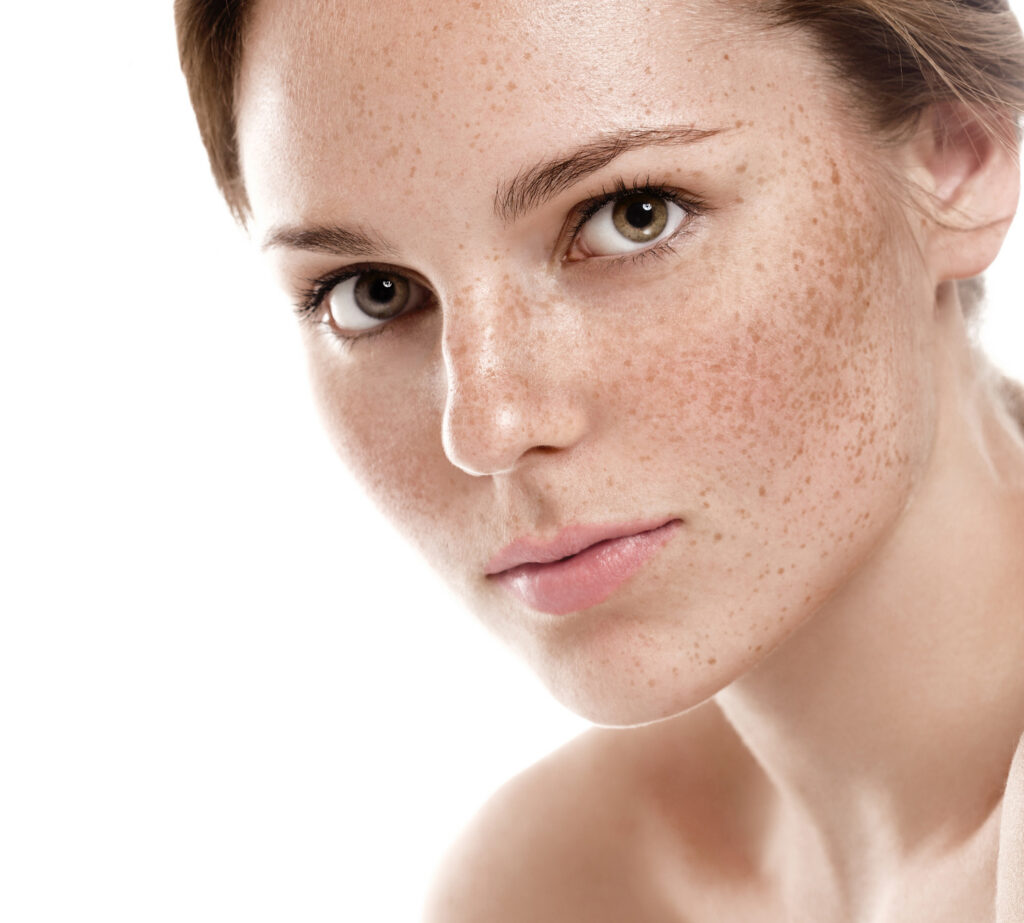
Dark spots and uneven skin tone can make your skin look dull and unhealthy. You may appear older than your age and lack a natural, radiant glow. And while pigmentation affects your physical appearance, it undoubtedly carries a hidden emotional toll, affecting your self-confidence.
Dr Refresh is a leading specialist dermatology clinic in Sydney dedicated to treating complex pigmentation issues. We can help you restore clearer, healthier-looking skin and, eventually, boost your emotional well-being through our medically guided care treatment plan.
This is your no-nonsense, medically-backed guide to understanding pigmentation and clearing it safely and effectively.
What is Hyperpigmentation? (The Science of Melanin)
Hyperpigmentation is a common skin condition in which patches of skin become darker than surrounding normal skin due to excess melanin production [1]. The pigment-producing cells called melanocytes become overactive, responding to different triggers such as sun damage, hormonal shifts, inflammation, and injury.
The enzyme tyrosinase governs hyperpigmentation. This enzyme catalyses melanin production, and when it becomes overactive due to sun exposure and hormonal changes, melanin production increases dramatically. This is primarily why most effective skin-lightening treatments inhibit tyrosinase to reduce pigment formation.
Identifying Your Dark Spots: Types & Symptoms
Dark spots on the face may look identical, but upon closer inspection and thorough assessment, these marks may differ in composition and cause, eventually requiring specialised treatments.
It is critical to distinguish between benign pigmented lesions such as melasma or age spots, raised warts (seborrhoeic keratoses), precancerous lesions such as actinic keratoses, and serious conditions such as melanoma. While some may be considered cosmetic, others may signal skin cancer, making an accurate medical diagnosis essential before starting any treatment.
Melasma
Melasma is often referred to as the “mask of pregnancy” because it mostly occurs in women during hormonal shifts (pregnancy, birth control, and hormone replacement therapy or HRT). It is a chronic, skin pigment disorder, and although it’s not harmful or painful, it can be emotionally distressing [2].
The following are the characteristics of melasma:
- Brown, blue-grey, or gray-brown patches
- Located in sun-exposed areas such as the face, cheeks, forehead, upper lip, and chin
- Patches are symmetrical
- Triggered by sun or UV light exposure, hormonal shifts, and heat [3]
- Genetics may play a role.
Treatment of melasma involves sun avoidance, daily application of SPF 30+ sunscreen with iron oxide to block visible light, and topical creams. Procedures such as laser therapy in the hands of a specialist dermatologist and their team may also help, but extreme care needs to be taken as rebound melasma is common and non-specialist clinics often cause further problems.
Sun Spots (Solar Lentigines)
Sun spots or liver spots are harmless patches on the skin caused by chronic UV exposure. They may look like melasma, but are not triggered by hormonal changes or heat exposure. UV rays increase melanin production in the skin, causing sun spots to form as a way to shield the skin.
The following are characteristics of sunspots:
- Flat and oval, colours ranging from light brown to black
- Smooth texture, painless
- Located in sun-exposed areas such as the face, shoulders, arms, hands, and back
- Caused by cumulative exposure to UV rays or tanning beds.
There are various treatment options such as laser treatment for sun spots, chemical peels, and topical creams. In our hands, we successfully clear sun spots giving patients lighter and brighter skin. Preventing sun damage is critical through daily use of broad-spectrum SPF 30 or higher, wearing protective clothing, and avoiding peak sun exposure times between 10 a.m. and 4 p.m.[4].
Post-Inflammatory Hyperpigmentation (PIH)
PIH is a common and temporary skin condition characterised by flat and dark spots that develop after inflammation or injury to the skin, such as acne, eczema, or a burn. Excess melanin is present during the healing process, which usually affects people with darker skin tones and can last for months to years [5].
The following are characteristics of PIH.
- Flat, black, brown, or blue-grey discolouration
- Occurs anywhere on the body
- Only a discolouration and there’s no damage to the skin tissue
- Causes can be acne, inflammatory diseases (psoriasis, eczema, impetigo), trauma (burns, bug bites, scratches), and skin procedures.
Spots usually fade over time. Treatments such as using prescription creams, topical agents, retinoids, and various professional procedures (laser therapy and chemical peels) help hasten the process and prevent new spots from developing.
The Root Causes: Why Your Skin Overproduces Pigment
Understanding the root cause of pigmentation is the first step to getting the correct treatment.
UVA and UVB Exposure
UV exposure is the most common cause of pigmentation. UVA rays can penetrate deeply into the skin, leading to oxidative stress and triggering melanocyte activity, producing more melanin to protect the skin.
UVB affects the epidermis, causing direct damage to the skin’s DNA and leading to visible tanning and burning. Short and repeated exposures are enough to worsen pigmentation issues like PIH and melasma. Exposure to heat and ambient light can further worsen this response, especially in those with darker skin tones.
Chronic exposure causes persistent melanocyte hyperactivity, making pigmentation harder to treat and more resistant to treatment. This is why treatment protocols involve daily SPF application and sun protection.
Hormonal Shifts
In women, hormonal shifts are significant triggers for pigmentation issues, most especially melasma. Estrogen and progesterone affect melanocyte-stimulating pathways, thereby increasing melanin production in susceptible skin. This is the main reason why pigmentation issues worsen or appear during pregnancy, contraceptive use, or in people with thyroid dysfunction.
Hormonal changes sensitise melanocytes, making them overreact even to minimal sun or heat exposure. Unlike sun damage, hormonal pigmentation tends to be more diffuse, symmetrical, and recurrent, requiring specialised treatment and maintenance.
Cellular Inflammation and Pigment Depth
Inflammation at the skin’s cellular level can also cause excess pigmentation. Acne, eczema, over-exfoliation, aggressive skincare, and even poorly performed aesthetic treatments can trigger inflammation, which stimulates melanocytes and leads to PIH. Calming the inflammation is critical before clearing up pigmentation.
The first step is to determine the depth of the pigment within the skin layers. Epidermal pigmentation responds easily to topical solutions containing tyrosinase inhibitors. Dermal pigmentation, where melanin is deeper into the dermis, needs more advanced, safely calibrated treatments.
Only a professional dermatological assessment can determine the exact depth of the pigment before starting treatment.
Over-the-Counter Myths: Why Standard Serums Aren’t Enough
Standard, off-the-shelf serums, such as those containing vitamin B and C, often fail to lighten skin or erase pigmentation. This is because these products cannot penetrate deeply into the skin layers where stubborn pigmentation sits. These expensive products scratch the surface without addressing the root cause.
Pigmentation requires a comprehensive approach with diagnosis being the most important factor, using prescription-strength products containing tyrosinase inhibitors to reduce skin pigmentation by blocking tyrosinase activity. Pigment production is halted at the cellular level, preventing tanning and age spots, and preventing worsening hyperpigmentation.
Our Gold-Standard Clinical Treatments at Dr Refresh
Dr Refresh is about precise, medically-guided pigmentation treatments tailored to your specific diagnosis and pigment type, triggers, and depth of pigment.
Prescription Topicals
Our prescription topicals are customised compounding formulations tailored to your skin type and pigmentation. We use only medical-grade blends, including.
- Tyrosinase inhibitors
- Retinoids
- Anti-inflammatory agents
- Pigment stabilisers
These work together to control overreactive melanocytes. By regulating melanin at the cellular level, we address the root cause of the pigmentation, not just fade the surface issue. Also, prescription topicals are adjusted based on your tolerance, response, and long-term maintenance needs.
Advanced Laser Therapy
Deeper dermal pigmentation requires advanced treatments such as picosecond laser therapy with highly specific, colour-targeted wavelengths that shatter pigment particles without excess heat. At Dr Refresh, we have 3 different picosecond lasers with different laser wavelengths in order to target all types of pigment in all skin types.
These types of lasers are critical to preventing rebound melasma and reducing damage to surrounding healthy tissues. By safely and effectively breaking down pigments, the body can naturally clear them, creating progressive lightning without risk.
Medical-Grade Laser & Chemical Peels
We carefully select acids in controlled concentrations to ensure safe exfoliation of pigments at the epidermal layers, promoting cellular turnover. Compared to aggressive peels, our treatments are calibrated to avoid triggering inflammation, which is essential for treating melasma and PIH.
Medical-grade and laser peels remove excess melanin in the upper skin layers and stimulate regeneration, enhancing clarity and improving texture.
The Dr Refresh Approach: Tailored Pigment Pathways
There is no one-size-fits-all pigmentation treatment, since no two cases are identical. Our approach starts with a thorough consultation and advanced skin assessments to precisely determine pigment depth, trigger patterns, and skin reactivity. This is what guides our decision at Dr Refresh.
We design phased treatment plans that initially prepare and stabilise skin, then target pigment using medically safe and effective interventions. This is also critical in our personalised rosacea treatments. We end with structured skin care maintenance to prevent recurrence and ensure longer-lasting results.
Frequently Asked Questions
Can hyperpigmentation be cured permanently?
You can permanently treat hyperpigmentation, such as sun spots and PIH. However, chronic issues such as melasma need careful, long-term management along with strict sun avoidance to avoid flare-ups.
Is laser treatment safe for dark skin tones?
It is safe for dark skin tones but under the care of a highly-skilled practitioner.
How long does it take to see results?
It takes years to form pigments; thus, it cannot be treated overnight. Realistically, it takes 8 to 12 weeks of consistent treatment and home care to see significant fading of pigmentation.
Do I still need sunscreen if I work indoors?
UVA rays can penetrate window glass and screens that block visible light. You need to use SPF 50+ daily whether you’re indoors or outdoors.
Clear The Cause, Control Pigmentation. Book A Consult Today.
You don’t have to use a heavy concealer or filters to feel confident. With an accurate medical diagnosis and a targeted skincare plan, you can safely and completely manage pigmentation. A specialist dermatologist like Dr Refresh can help you achieve smoother, lighter, and glowing skin in no time.
Stop wasting time and money on skincare that doesn’t deliver. Book a comprehensive pigmentation consultation with Dr Ritu or her experienced specialist clinical staff today, and let us build your personalised pathway to clear skin.
References
[1] Cleveland Clinic – Hyperpigmentation
[2] Healthline – Understanding Melasma
[3] Cleveland Clinic – Melasma
[4] Cleveland Clinic – Sun-damaged Skin (Photoaging)
[5] WebMD – What is Post Inflammatory Hyperpigmentation?