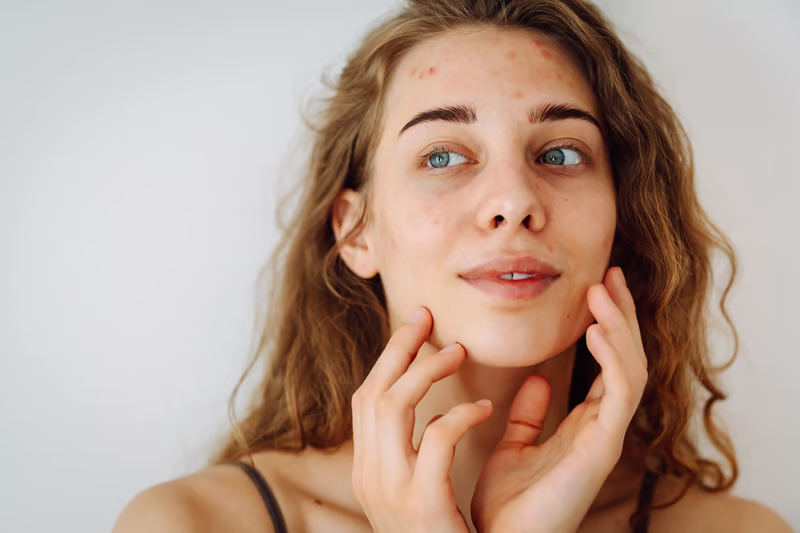
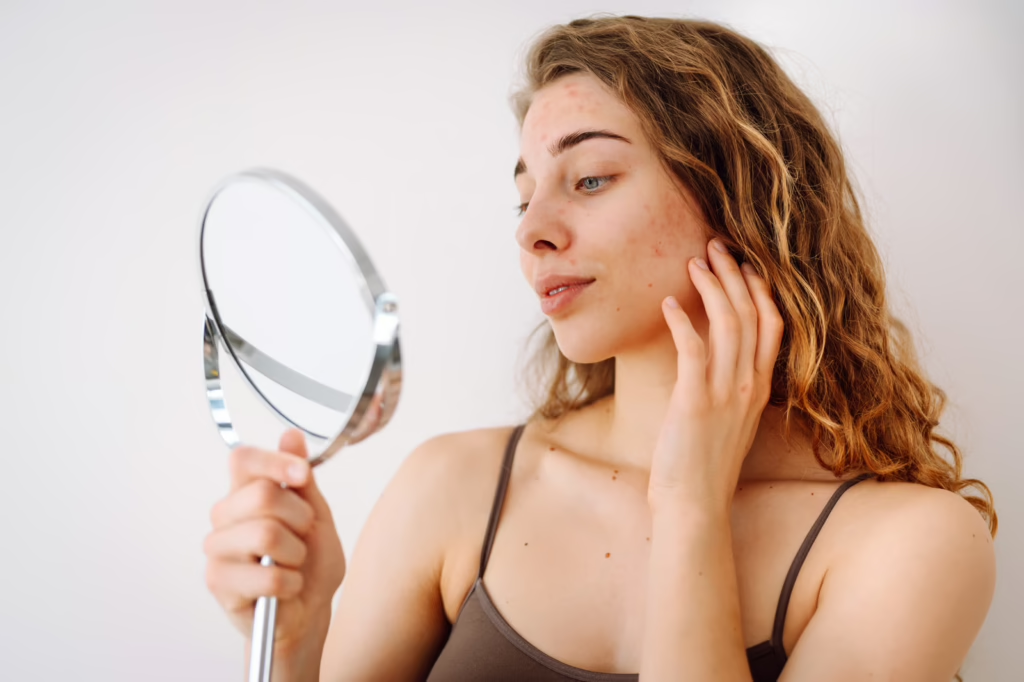
Glass skin describes a look rather than a skin type: even tone, minimal visible pore structure, smooth texture and the kind of light reflection that comes from a clear, undamaged surface.
It is worth being clear about something first. Much of what circulates online under that name is filtered or edited. Normal skin has pores, normal skin has texture, and skin without either does not exist. Dr Ritu has made this point publicly and we are not going to tell you otherwise.
What is achievable is a glowing and glassy appearance due to pigmentation reduced, pore appearance refined, texture smoothed, and surface irregularity softened so that light reflects evenly rather than scattering.
We use picosecond laser technology, often of 3 different types, which delivers energy in extremely short pulses, fragmenting pigment and stimulating remodelling with less heat transferred to surrounding tissue than older devices. The result develops across a course of treatments rather than in one.
Conditions We Treat in the Glassy Skin Package
Pigmentation & Uneven Tone
Sun spots, patchy pigment and uneven tone are the largest contributor to skin that looks dull. Picosecond pulses fragment pigment for the body to clear.
Melasma
Hormonal pigmentation requires a different approach to sun-driven spots, treated conservatively to reduce the risk of rebound. Melasma is managed rather than cured.
Pore Appearance
Pore size can only be reduced by laser therapies as the surrounding collagen is stimulated and the pores shrink.
Fine Lines & Texture
Dermal remodelling softens fine lines and irregular texture, improving how evenly light reflects from the skin.
Acne Scarring & Post-Inflammatory Marks
Both the brown marks left after acne and the textural changes beneath respond, though each requires a different type of picosecond light.
Why Choose Us
We Will Tell You What Is Achievable
Some of what is shown online is not. We would rather set expectations you can actually meet than sell you something that disappoints at session three.
Diagnosis Before Treatment
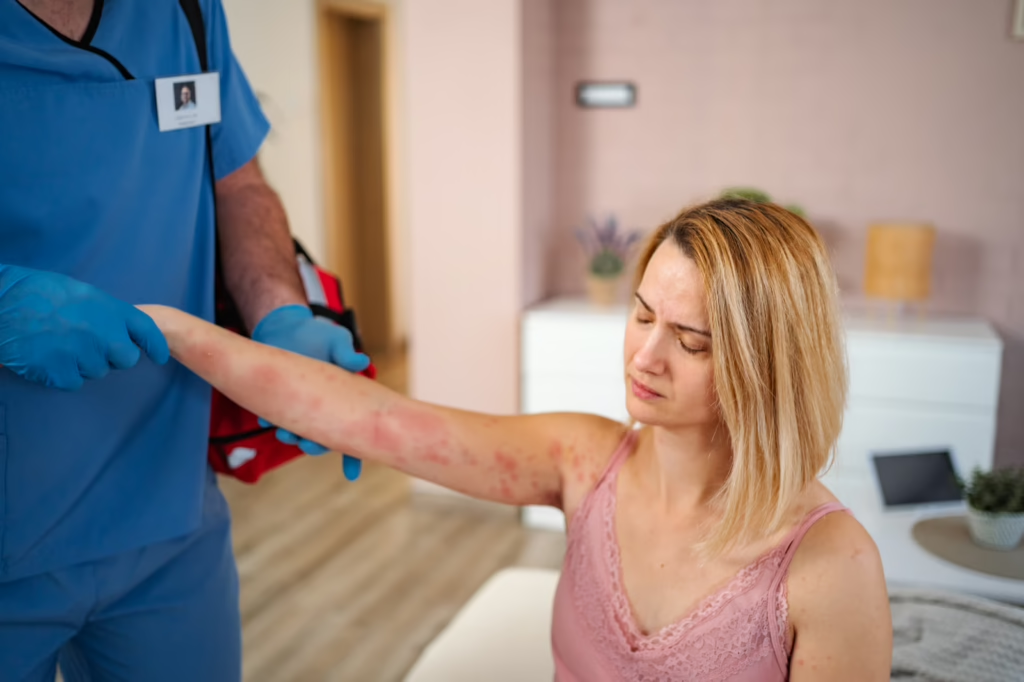
Sun-driven pigmentation, melasma and post-inflammatory marks look similar and respond differently. Treating the wrong one is the most common reason pigmentation treatment underperforms.
Picosecond Technology for All Skin Types
Shorter pulse duration means less heat delivered to surrounding tissue, which matters particularly in deeper skin tones where excess heat can worsen pigmentation. Settings are matched to skin type.
Treatment Planned as a Course
Results build progressively across sessions. We will tell you roughly how many before you start rather than after.
Ongoing Protection
Pigmentation returns without daily sun protection. Maintaining a result is part of the plan rather than an afterthought.
Clarity Is Maintained, Not Just Achieved
Pigmentation is driven by UV exposure, hormones and inflammation, and treating visible pigment without addressing what is causing it produces short-lived results. Sun protection, appropriate topical support, and managing any underlying inflammatory condition are part of the plan rather than optional extras.
Specialist dermatologist Dr Ritu Gupta and her clinically trained team assess which type of pigmentation is present before recommending treatment. Individual results vary, all procedures carry risks, and suitability is determined at a personal consultation.
FAQs
Is glassy skin actually achievable?
Not as it appears online, much of which is filtered. Normal skin has pores and texture. What is achievable is clearer, more even skin that reflects light better, which is what creates the impression in the first place.
How many sessions will I need?
Typically a course of several sessions spaced weeks apart, with the number depending on the type and depth of pigmentation. An estimate is given after examination.
Does it hurt?
Most people describe a sensation like light elastic snaps against the skin. Topical anaesthetic is usually prescribed and used where needed. This makes it very tolerable.
What is the downtime?
Minimal compared with ablative resurfacing. Make-up can be worn later that day. Expect redness for a few hours to a day, and in some cases temporary darkening of treated pigment before it clears.
Is it safe for darker skin tones?
Picosecond technology is generally better suited to deeper skin tones than other devices because less heat is delivered. Risk of post-inflammatory pigmentation is still higher in deeper skin, so conservative settings and skin type assessment remain important.
Will my pigmentation and pores come back?
Treated pigment does not spontaneously return, but new pigment forms where the trigger remains. Daily sun protection is what determines whether the result holds. Reduction in prominent pores and textural improvement is long lasting.